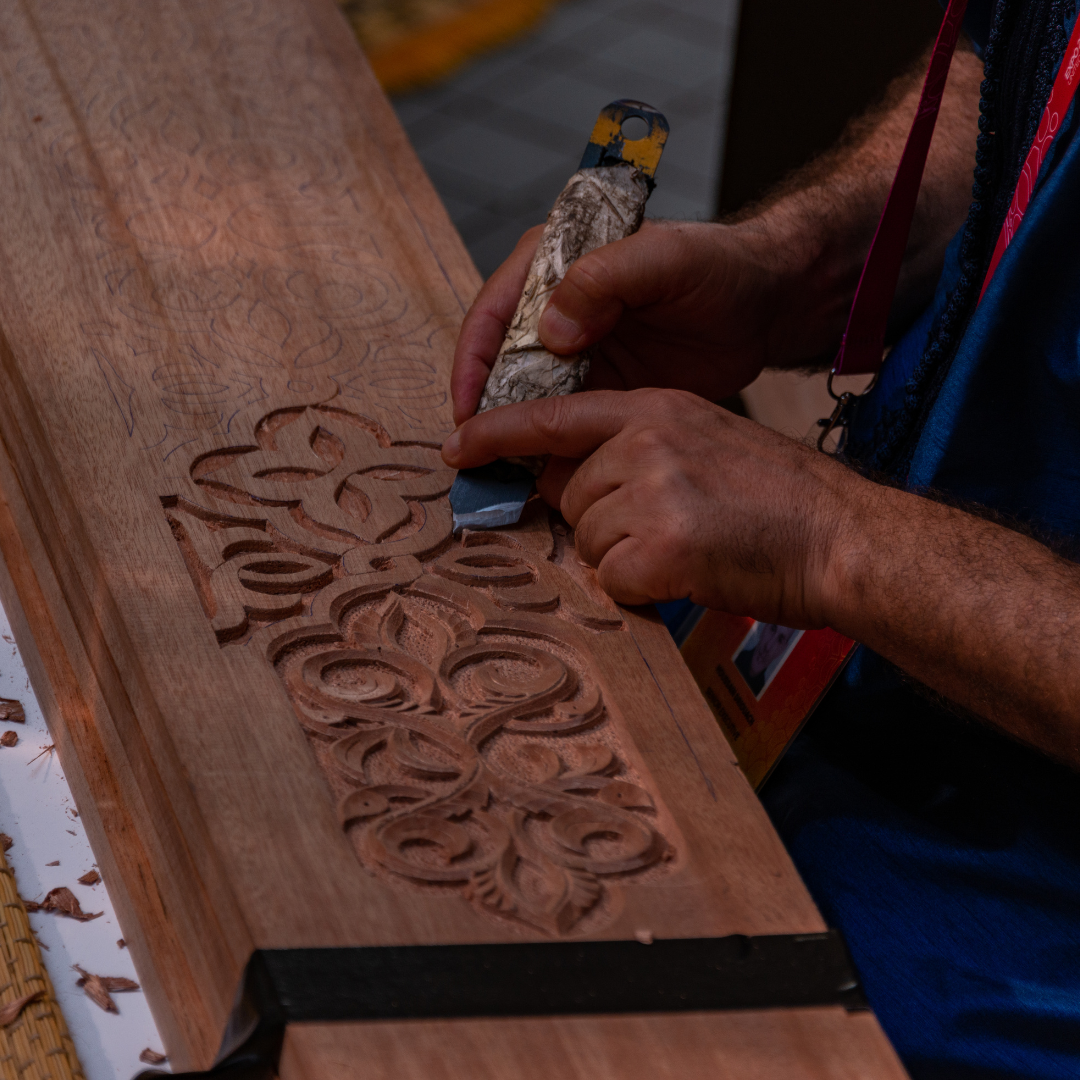
Slow crafting encourages a deliberate pace that allows individuals to fully engage with their creative process. It fosters mindfulness by shifting focus away from speed and productivity towards presence and intention.
This mindful approach helps crafters notice details, appreciate materials, and connect with the act of making on a deeper level. Rather than rushing to finish, slow crafting invites reflection and calm, making it a valuable practice for mental well-being.
By embracing this slower tempo, crafters can reduce stress and enhance their creative satisfaction. The practice emphasises quality and experience over quantity, offering a meaningful alternative to fast-paced consumer culture.
Understanding Slow Crafting as a Mindful Creative Practice
Slow crafting involves intentional, unrushed engagement with materials and techniques. This approach encourages attention to detail, presence, and a deeper connection with the process rather than the end product.
Defining Slow Crafting and Mindfulness
Slow crafting is the deliberate practice of creating by taking time to fully engage with every step. It contrasts sharply with mass production or hurried tasks, valuing quality over speed.
Mindfulness in crafting means focusing on the present moment – feeling textures, noticing colours, and observing movements without distraction. This awareness can reduce stress and enhance enjoyment.
Together, slow crafting and mindfulness create a creative environment that emphasises calmness and thoughtful action. The goal is not just to make an object but to experience making it fully.
The Philosophy of Slowing Down
The philosophy behind slow crafting is rooted in rejecting fast, efficiency-driven culture in favour of patience and care. It promotes sustainability, intentionality, and respect for materials and skills.
It encourages crafters to appreciate imperfections as part of the process rather than mistakes to be corrected quickly. This mindset nurtures creativity by allowing experimentation and reflection without pressure.
Slow crafting can shift a person’s perspective, helping them value the time spent crafting as much as the finished item itself.
Origins and Evolution of Slow Crafting
Slow crafting is linked to the broader “slow movement” that began in the 1980s with slow food. It expanded to include areas like travel and design, emphasising quality, sustainability, and mindful engagement.
In crafting, this movement grew as a counterpoint to mass-produced goods and disposable culture. It reconnects people with traditional skills and encourages local, handmade production.
Today, slow crafting is practised worldwide across disciplines like knitting, pottery, and woodworking. It continues to evolve with new materials and technologies, but keeps mindfulness and care at its core.
| Key Points | Description |
| Slow crafting | Intentional, unhurried creative practice |
| Mindfulness | Present-moment awareness in the crafting process |
| Philosophy | Patience, sustainability, valuing imperfections |
| Origins | Rooted in slow movement, a reaction to fast culture |
Core Benefits of Mindful Slow Crafting
Slow crafting encourages a deliberate, calm approach that supports mental clarity, focus, and creative development. It creates an opportunity to step away from distractions, encouraging deeper engagement and thoughtful expression through hands-on activities.
Enhancing Wellbeing and Mental Health
Engaging in slow crafting reduces stress by promoting relaxation through repetitive, tactile motions. It acts as a form of mindfulness, helping practitioners to anchor their attention in the present moment and temporarily set aside worries.
This practice lowers cortisol levels, which are linked to stress, and encourages a sense of accomplishment with each created item. The rhythm and patience required cultivate calmness and improve emotional regulation, especially for those experiencing anxiety or mild depression.
Moreover, crafting offers a positive coping mechanism that increases self-esteem. Completing a handmade project fosters pride, contributing to improved overall well-being.
Fostering Focus and Reducing Digital Overload
Slow crafting directs attention away from screens, allowing the brain to rest from constant digital stimulation. It requires active focus on materials, textures, and processes, which sharpens concentration in a way that multitasking on devices does not.
This focused practice counters the fragmented attention typical of digital environments. Even short crafting sessions can create mental space free from notifications and information overload.
The physical engagement keeps the hands busy, encouraging a meditative flow state. This offers a natural break from the fast pace of modern life, promoting clearer thought and preventing burnout.
Boosting Creativity Through Presence
Slow crafting nurtures creativity by encouraging experimentation without pressure. The gradual pace allows time to reflect on choices, techniques, and outcomes, enhancing problem-solving skills.
Being fully present during crafting helps participants notice subtle details and discover new possibilities in their work. This attentiveness often leads to more original ideas and personal expression.
The process values imperfection and learning, which reduces fear of failure. This mindset supports artistic growth by framing each step as valuable, fostering continuous creative development.
How Slow Crafting Promotes Connection and Intention
Slow crafting encourages deliberate engagement and meaningful choices. It fosters a deeper relationship with both the materials used and the broader values behind the craft. This approach nurtures a mindful awareness that shapes the creative process and its outcomes.
Connecting with Materials and Traditions
Slow crafting requires a hands-on approach, allowing the crafter to engage intimately with materials such as wool, wood, or clay. This direct contact fosters an understanding of texture, weight, and behaviour that fast crafting often overlooks.
It also reconnects practitioners with traditional methods and heritage techniques. By learning and adopting time-honoured skills, crafters maintain cultural knowledge and cultivate respect for craftsmanship’s legacy. This connection to history enriches the creative experience and grounds the practice in intentionality.
Sustainability and Ethical Making
Slow crafting prioritises quality over quantity, reducing waste and the environmental impact linked to mass production. It encourages sourcing materials sustainably, from organic fibres to reclaimed elements, reinforcing responsible consumer habits.
This mindful selection process highlights ethical considerations in crafting. Practitioners become more aware of the origins of their supplies and opt for options that support fair labour and ecological balance. This intentional responsibility is central to slow crafting’s philosophy.
Building a Sense of Community
Slow crafting often happens within groups that share skills, stories, and encouragement. These communities create spaces for learning and mentoring, preserving crafts across generations.
The social aspect strengthens a sense of belonging and shared purpose. Whether in local workshops or online forums, crafters exchange knowledge and support, which nurtures collective creativity and reinforces the value of thoughtful making.
Incorporating Slow Crafting into Everyday Life
Slow crafting encourages intention, patience, and presence during creative sessions. It asks crafters to choose projects thoughtfully, manage time wisely, and engage fully with their materials and techniques.
Practical Tips for Slowing Down Your Creative Process
Crafters can start by eliminating distractions like phones or background noise. Setting a dedicated space that feels calm and organised supports focus and reduces the urge to rush.
Breaking the project into small, manageable steps helps maintain patience. It also allows for reflection between stages, ensuring quality over speed.
Using timers can enforce deliberate pauses. For example, a 10-minute timer encourages working steadily without pressure, then taking a moment to appreciate progress before continuing.
Selecting Mindful Crafting Techniques
Techniques that require repeated, deliberate actions, such as knitting, hand-stitching, or pottery, promote mindfulness. These crafts naturally slow down the process and increase sensory engagement.
Choosing natural materials like wool, clay, or paper enhances the tactile experience. It helps crafters connect physically and mentally to their work, fostering a deeper appreciation for the creation.
Avoiding complex, purely mechanical tools encourages manual skill development and focus. Simpler methods support concentration and enrich the mindful aspect of crafting.
Carving Out Time for Creative Mindfulness
Scheduling regular intervals, even short ones, for crafting ensures it becomes a consistent, valued part of life. Early mornings or quiet evenings often provide undisturbed moments ideal for slow craft work.
Establishing rituals, such as tea breaks before sessions or mindful breathing, primes the mind for calm and concentration. These small actions reinforce the intentional nature of the practice.
He or she should treat crafting time as non-negotiable. Protecting this time from interruptions and prioritising it helps maintain the rhythm and mental benefits of slow crafting.