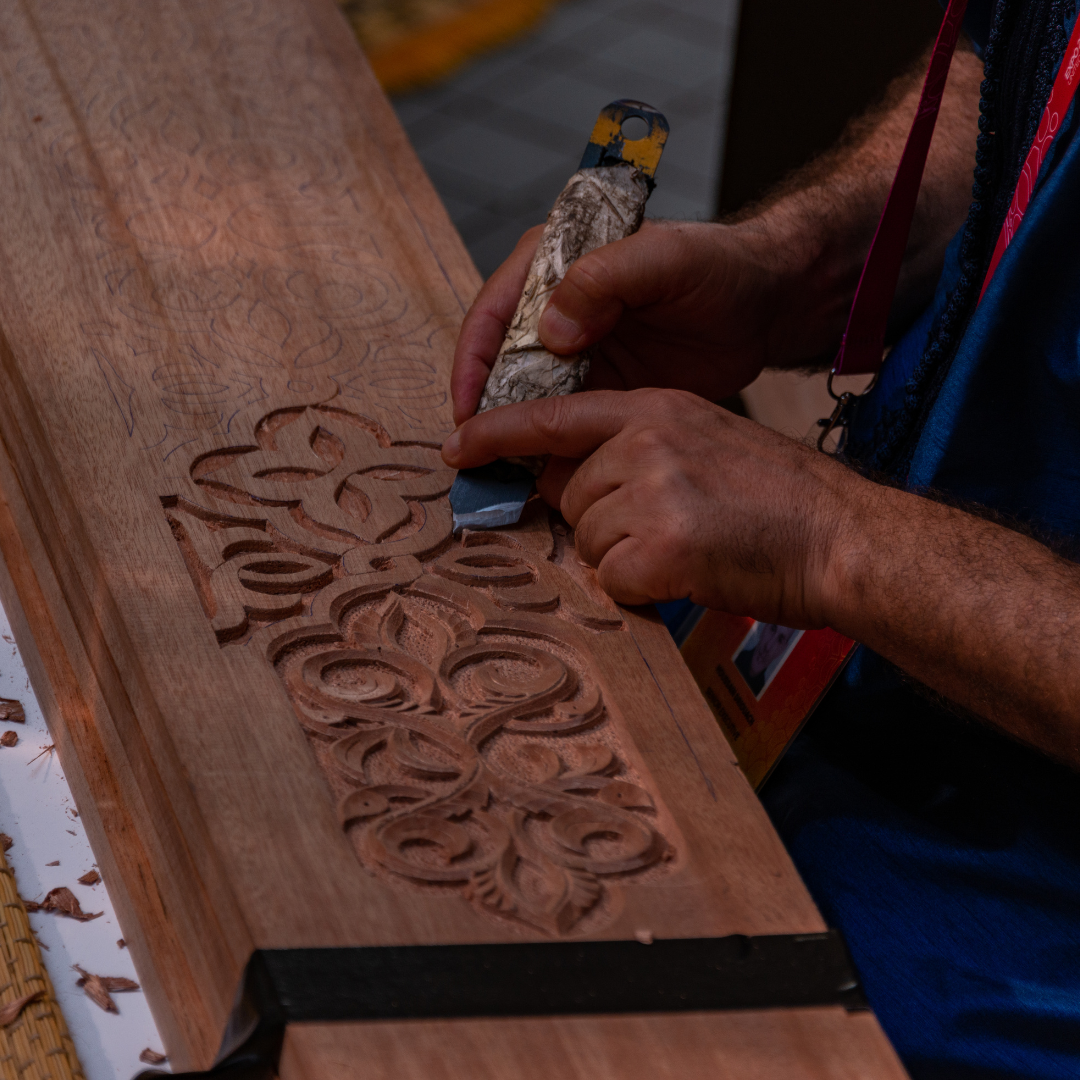
Crafting with natural materials offers a unique connection to the environment and a hands-on experience that synthetic alternatives often lack. It encourages creativity while promoting sustainability by using resources that are renewable and biodegradable. The joy of crafting with natural materials lies in the tangible sense of accomplishment and mindfulness that comes from working closely with the earth’s own elements.
These materials, such as wood, stone, fibres, and clay, provide diverse textures and shapes that inspire a wide range of projects. They also often carry a history or story, adding depth to the finished product and making each creation truly one-of-a-kind.
Engaging in natural crafting can be both relaxing and rewarding, offering a break from digital and mass-produced items. This practice supports a slower, more intentional lifestyle, appealing to those seeking both creativity and sustainability.
The Benefits and Joy of Crafting with Natural Materials
Crafting with natural materials offers tangible benefits that affect mental state, skill development, and creative output. It encourages calmness, sharpens coordination, and fosters a deep connection to the physical world through focused engagement.
Mental Well-being and Stress Relief
Engaging in nature-based crafts with materials like wood, leaves, or clay helps reduce stress by promoting relaxation. The tactile experience of handling natural textures can lower cortisol levels and calm the nervous system.
Participants often report improved mood and decreased anxiety after sessions involving handmade crafts using elements drawn directly from nature. The rhythmic actions involved in crafting also encourage a meditative state, supporting mental well-being without requiring complex techniques or equipment.
Boosting Creativity and Fine Motor Skills
Crafting with natural materials sharpens fine motor skills through detailed manipulation of objects such as twigs, seeds, or fibres. These actions improve hand-eye coordination and dexterity in ways that screen-based tasks do not.
The unpredictable nature of raw materials challenges crafters to innovate and problem-solve, enhancing cognitive flexibility. This hands-on approach nurtures creativity by demanding adjustments to texture, shape, and structure, creating unique outcomes with each project.
Mindfulness and Creative Expression
Using natural materials encourages mindfulness by requiring full attention to the craft process. This focus draws people away from distractions and into the present moment, fostering a contemplative mindset.
The handmade nature of these crafts allows for personal expression without the constraints of digital templates. Crafting becomes a medium for exploring identity and emotion through tangible forms, offering a direct connection between intention and finished work.
Popular Natural Materials for Crafting
Natural crafting materials often combine texture, colour, and organic form, offering a variety of options for creative projects. The materials can range from soft fibres to rigid wood, and from delicate leaves to robust stones, each serving unique purposes in crafts.
Common Plants and Botanical Elements
Flowers, leaves, and moss are popular for their colour and delicate structure. Dandelions and holly berries add natural hues and shapes that enhance decorative items. Hemp and organic cotton fibres provide sustainable thread options for weaving or binding.
Pine needles and seed pods offer interesting textures and patterns for detailed work. Moss is valued for its softness and ability to add a lush, natural look. These materials are often used in floral arrangements, wreaths, and natural dye projects.
Wood, Bark, and Twigs
Wood from branches, twigs, and bark is fundamental in crafting for its sturdiness and versatility. Birch bark’s smooth, flexible surface is ideal for containers, while pine branches and twigs serve well in structural or rustic designs.
Bamboo is also prized for its lightness and strength, often used in small furniture or decorative frames. Acorns and pinecones from woodlands add texture and natural accents. Crafting with wood requires understanding its grain and durability for the best results.
Seeds, Pods, and Stones
Seeds and seed pods like acorns and pine cones provide natural beads and embellishments in jewellery and ornament making. Their shapes lend themselves well to patterns and tactile components in mixed media crafts.
Pebbles and stones add a solid base or decorative element, with varying sizes suitable for mosaics or garden decorations. These materials combine durability and natural beauty, often polished or left raw depending on the desired effect.
Creative Projects and Techniques
Using natural materials can deepen the connection with the environment while producing unique, hands-on creative projects. Techniques vary from preserving delicate flowers to transforming organic items into sustainable decorations.
Pressed Flower Crafts and Botanical Prints
Pressed flowers require careful collection and drying using a flower press or heavy books. Once dried, these blooms can be used to create pressed flower bookmarks, cards, and framed botanical prints.
Botanical prints often involve arranging pressed flowers on paper or fabric, sometimes enhanced by delicate painting or embroidery. This allows for detailed, personalised art projects perfect for gifting or home decoration.
A hot glue gun or natural twine is useful for assembling layered designs, adding texture or attaching pressed flowers to surfaces. This approach highlights the intricate shapes and colours of the flowers in a subtle, sustainable way.
Twig and Branch Art Projects
Twigs and branches serve as versatile bases for creative work. They can be bent or cut to form frames, mobiles, or rustic wall hangings through simple DIY projects.
Natural twine or recycled materials are ideal for joining or suspending elements, encouraging sustainable crafting. Incorporating small embellishments like beads or feathers adds visual interest without overpowering the organic feel.
Techniques include weaving twigs into baskets or creating abstract sculptures. These projects combine texture with structural form, allowing crafters to explore nature’s raw materials in artistic ways.
Natural Dyeing and Sustainable Approaches
Extracting colour from plants, roots, and flowers offers a chemical-free way to dye fabrics or threads. Natural dyes provide earthy tones, from soft ochres to deep indigos, derived from resources like onion skins or berries.
This process supports sustainable crafting by reducing waste; many natural dyes come from kitchen scraps and garden materials. Dyeing can be paired with embroidery or weaving, blending colour with texture in craft projects.
Careful preparation and moderate use ensure long-lasting colour. This technique requires patience but results in unique, eco-friendly textiles and accessories with a personalised touch.
Stone, Seeds, and Seasonal Decorations
Small stones, seeds, and seasonal items like pinecones create tactile, decorative crafts. Stones can be painted or arranged into mosaics, while seeds can be glued onto cards or used as natural beads.
Seasonal crafting often includes wreaths, centrepieces, or ornaments made from gathered materials, embracing the cycles of nature. Using recycled bases or natural twine helps maintain environmental responsibility in these designs.
These projects emphasise texture and form, combining simple items with craftsmanship. They suit a wide range of skill levels and often require only basic tools like scissors, glue, and string.
Gathering, Tools, and Storage Solutions
Careful selection, appropriate tools, and effective storage techniques are essential to maintain the quality of natural materials for crafting. Attention to where materials come from, what tools aid the process, and how to preserve supplies ensures consistent results and longevity.
Where and How to Source Natural Materials
Crafters often find natural materials in local parks, forests, beaches, or gardens. It is important to collect only fallen leaves, twigs, pinecones, or shells to avoid damaging living plants or protected areas. Checking local regulations regarding foraging can prevent legal issues.
Seasonal timing affects the availability and condition of materials. For example, autumn is ideal for dried leaves and seeds, while spring offers fresh flowers and soft twigs. Sourcing locally reduces environmental impact and ensures materials are suited to the climate.
Sustainability should guide gathering practices. Taking small amounts and avoiding rare or endangered species supports the ecosystem. Using natural materials from your own garden, such as herbs or petals, guarantees freshness and control over quality.
Essential Tools for Crafting
A basic toolkit includes scissors, pruning shears, and a craft knife for cutting various textures. Sandpaper smooths rough edges on wood or shells. Tweezers help handle delicate items like dried flowers or small seeds.
Glue guns are common, offering strong adhesion for most materials. Natural adhesives, such as beeswax, provide an eco-friendly option for binding or adding texture. A small hammer and nails are useful when crafting with wood or heavier elements.
Organising tools in a portable caddy or box improves efficiency during projects. Labelled compartments keep items like needles, thread, or paintbrushes accessible. This prevents damage to fragile materials and maintains a neat workspace.
Best Practices for Storing and Preserving Materials
Proper storage prevents deterioration, mould, and insect damage. Using airtight containers or mason jars helps keep moisture out. Including silica gel packets inside these containers controls humidity, especially for dried flowers or herbs.
Dark storage areas protect colours from fading due to light exposure. Materials stored in breathable cloth bags allow air circulation, useful for pinecones or bark. Beeswax can be applied as a sealant or conditioner to preserve wood pieces and slow drying out.
Regular inspection of stored materials ensures early detection of pests or mould. Rotating supplies by using older materials first keeps the collection fresh and reduces waste. Clear labelling of containers speeds up identifying contents during crafting.