Recycled materials offer a rich source of inspiration for craft designs by providing unique textures, colours, and histories that raw materials often lack. Artists and crafters draw on the distinct character of reused items to create pieces that stand out through originality and sustainability.
Incorporating recycled materials challenges creators to innovate, turning what might be discarded into valuable, eye-catching art. This process not only reduces waste but also encourages mindful consumption and creative problem-solving.
By exploring the possibilities within recycled goods, crafters produce designs that reflect environmental awareness and artistic ingenuity. This approach adds depth and meaning to each creation, appealing to both makers and audiences alike.
The Role of Recycled Materials in Contemporary Craft Design
Recycled materials have become central to modern craft design, offering both environmental benefits and new creative possibilities. Their distinctive characteristics often drive innovation, while the growing trend of upcycling influences design approaches and market demand.
Defining Recycled Materials in Crafting
Recycled materials in crafting include any pre-used items or waste products repurposed into new art or functional pieces. Common examples are scrap metal, reclaimed wood, fabric remnants, and discarded plastics. These materials are processed to varying degrees—sometimes cleaned or reshaped—before integration into craft projects.
The key aspect is that recycled materials reduce the reliance on virgin resources. Crafters focus on sustainability by diverting waste from landfills and minimising environmental impact. This approach also supports ethical production practices, fostering responsible consumption and creativity.
Unique Qualities That Inspire Creativity
Recycled materials carry textures, colours, and histories that virgin materials often lack. Their imperfections—like weathered wood grains, patinas on metals, or worn fabrics—add authenticity and character to craft projects. These natural variations encourage artisans to experiment with design, composition, and narrative elements.
Additionally, recycled components often challenge traditional crafting methods. Crafters must adapt tools and techniques to suit irregular shapes or mixed material fusions. This adaptability leads to innovative designs that stand apart from mass-produced items.
The Rise of Upcycling and Its Influence on Craft Trends
Upcycling transforms waste materials into higher-value products without extensive processing, differentiating itself from basic recycling. This practice has gained momentum as consumers seek unique, environmentally conscious items. Craft markets now feature upcycled works ranging from jewellery made of bottle caps to furniture created from pallet wood.
The trend encourages designers to prioritise resourcefulness and originality. It also promotes storytelling, as each piece carries a distinct lifecycle. Upcycling’s popularity has led to dedicated workshops, online communities, and commercial opportunities that reinforce sustainable craft practices.
Environmental Impact and the Drive Towards Sustainable Crafts
Sustainable crafts using recycled materials address key environmental challenges by minimising waste and conserving natural resources. These efforts create a practical model for reducing the ecological footprint of craft production.
Reducing Waste Through Creative Reuse
Creative reuse of materials such as scrap fabric, paper, glass, and metal diverts waste from landfills and reduces pollution. This approach extends the lifecycle of materials that would otherwise contribute to environmental degradation.
By repurposing discarded items, makers lower the demand for new raw materials. For example, using reclaimed wood in furniture crafts prevents unnecessary tree felling. Similarly, transforming used plastics into decorative items helps mitigate plastic pollution.
Positive Effects on Resource Conservation
Crafts utilising recycled materials directly conserve finite natural resources. They reduce the need for energy-intensive extraction processes like mining, logging, and drilling.
Conserving water and reducing carbon emissions are additional benefits. Manufacturing products from recycled paper, for example, can save up to 60% of water compared to producing new paper. This detailed conservation alleviates strain on ecosystems.
Long-Term Benefits for the Planet
Adopting recycled materials in crafts supports long-term environmental resilience. It helps create circular supply chains where materials remain in use, minimising waste generation.
This system lowers greenhouse gas emissions linked to production and waste processing. Over time, increased demand for sustainable crafts encourages industries to innovate greener methods, fostering a healthier planet.
Innovative Craft Techniques and Projects Using Recycled Materials
Recycled materials offer numerous opportunities for innovative crafting. Techniques range from transforming ordinary objects into striking artworks to skillfully repurposing reclaimed wood into functional décor. Using mixed media and upcycling methods expands the scope for creating unique homeware and accessories that combine sustainability with style.
Transforming Everyday Objects Into Artistic Pieces
Everyday objects such as plastic bottles, tin cans, and fabric scraps can be transformed into artistic pieces through simple techniques like cutting, layering, and painting. For example, artists often create mosaics or sculptures by assembling broken ceramics or glass fragments.
This approach emphasises the creative reuse of discarded items, turning waste into conversation starters. Techniques like decoupage or papier-mache allow crafters to add texture and personality to common materials, encouraging innovation while reducing landfill waste.
Repurposing Reclaimed Wood for Distinctive Decor
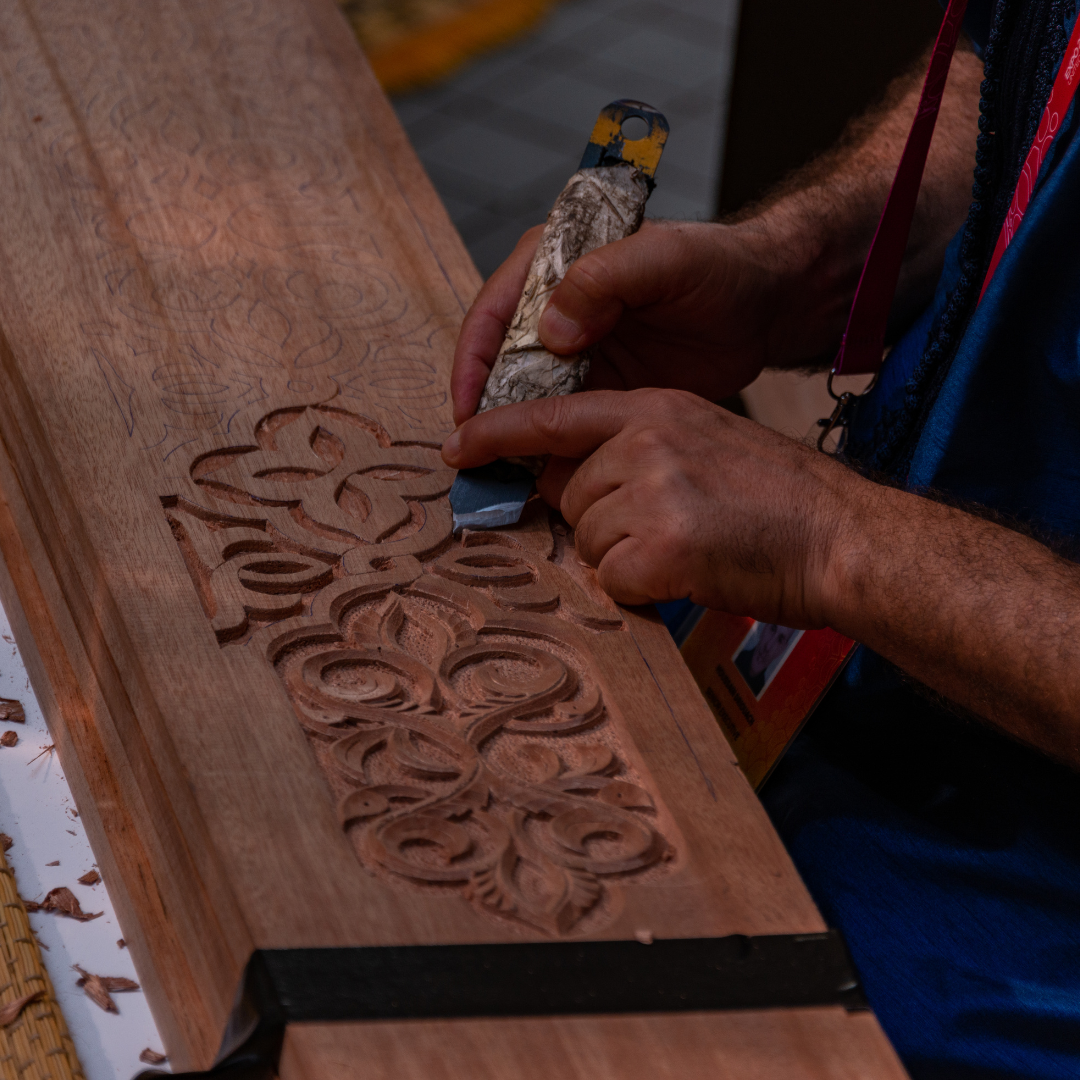
Reclaimed wood is sought after for its durability and unique patina, offering a character that new timber lacks. Crafters use it to produce items like shelving, picture frames, and furniture with a rustic, aged look.
Key techniques include sanding, sealing, and sometimes combining wood with metal or glass to enhance design. Reclaimed wood projects highlight craftsmanship and a sustainable approach to material sourcing, often involving precise cutting to fit existing wood types into new forms.
Upcycled Homeware and Personal Accessories
Upcycling transforms recycled materials into functional homeware and wearable items. For example, old textiles become cushion covers or bags, while glass jars convert into lighting fixtures or storage containers.
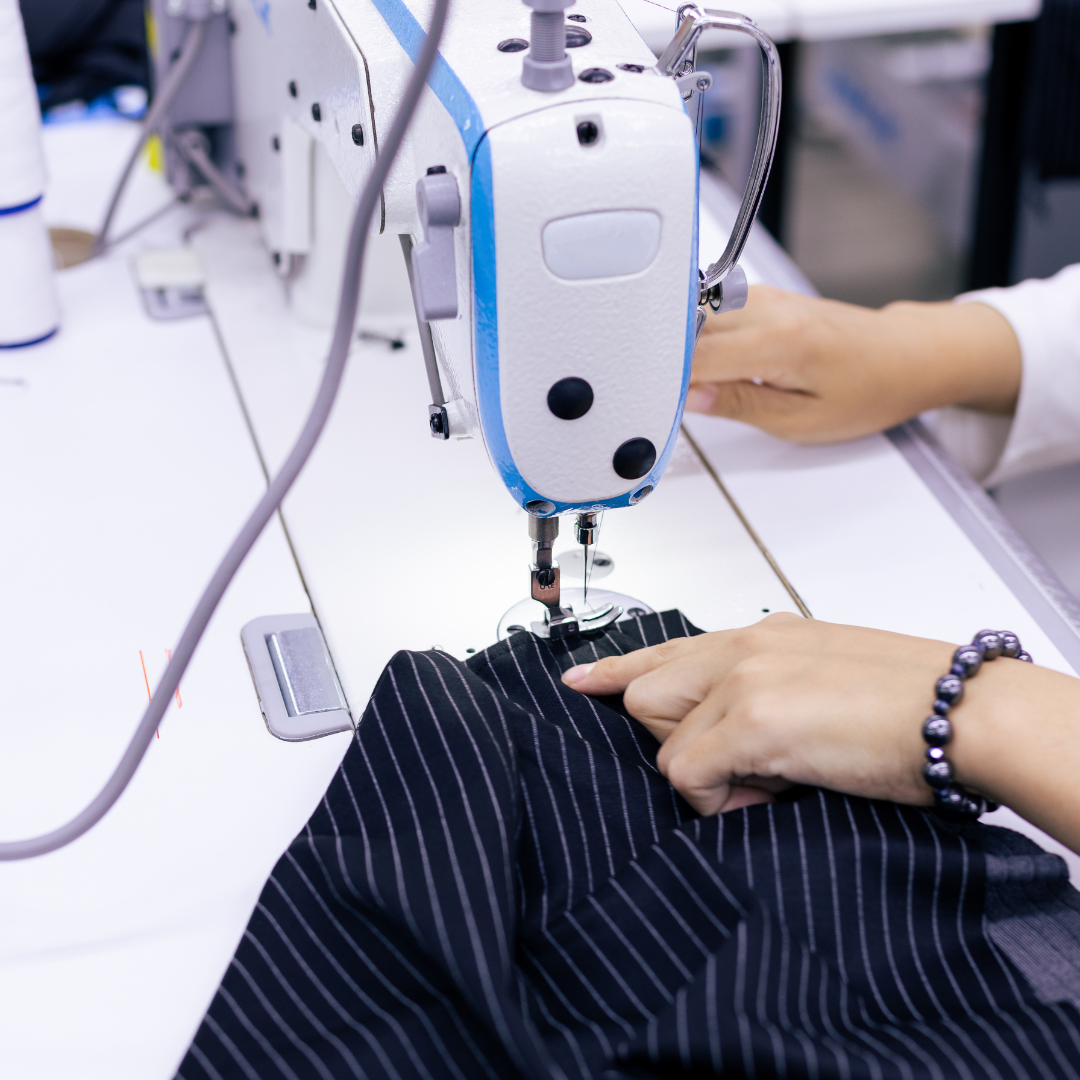
The focus lies on enhancing usability and aesthetic appeal without compromising sustainability. Techniques such as sewing, stitching, and embellishing enable crafters to add value and uniqueness to everyday items, making reusing both practical and stylish.
Incorporating Mixed Media Elements
Mixed media techniques combine various recycled materials like fabric, wood, metal, and paper to achieve layered, textured designs. This method expands creative possibilities by blending contrasting elements.
Artists often use adhesives, stitching, or welding to bind different materials together, allowing for complex and versatile projects. Incorporating mixed media in crafts encourages experimentation and broadens the definition of recycled art, producing visually rich and tactile pieces.
Challenges and Tips for Crafting With Recycled Materials
Crafting with recycled materials requires careful selection and handling to ensure functionality and aesthetics. Managing imperfections while highlighting authentic textures is important. Practical strategies help streamline upcycling projects from start to finish.
Sourcing Suitable Recycled Components
Finding the right recycled materials can be time-consuming. Crafters should focus on consistency in texture, size, and durability for their projects. Common sources include thrift stores, construction waste, and discarded packaging.
Items like metal scraps, glass bottles, and textiles vary greatly in condition. It’s crucial to inspect for damage or contaminants that could affect safety or appearance. Label materials clearly to organise your collection and avoid mix-ups during crafting.
Networking with local recycling centres or community groups can provide steady supplies. Some artisans trade or sell offcuts and remnants. Being selective ensures materials contribute to a quality finished product without excessive preparation.
Working With Imperfections and Authentic Textures
Imperfections in recycled materials often add character but can also pose challenges. Uneven edges, stains, and corrosion require adaptation in design or extra treatment.
Embracing these flaws can create unique visual and tactile effects. It’s best to stabilise weaker materials by reinforcing or sealing surfaces with varnishes or resins.
Tools and adhesives should be chosen based on material type and condition. For instance, strong bonding agents work better on porous surfaces like wood or fabric, whereas metal might need welding or riveting.
Patience during assembly and an open mindset help craft distinctive pieces that celebrate recycled elements’ history and authenticity.
Practical Tips for Successful Upcycling
Preparation is key: clean and sanitise all recycled components thoroughly before use. Minor repairs like sanding rough spots or trimming jagged edges improve ease of handling and safety.
Plan your design around the materials’ limitations and strengths. Using modular techniques allows easier adjustments if a piece breaks or fails.
Keep a toolkit ready with versatile adhesives, cutting implements, and protective gear. Label your projects at different stages to monitor progress and troubleshoot.
Testing small samples before the full application prevents waste. Documenting methods and results builds experience for future upcycling success.