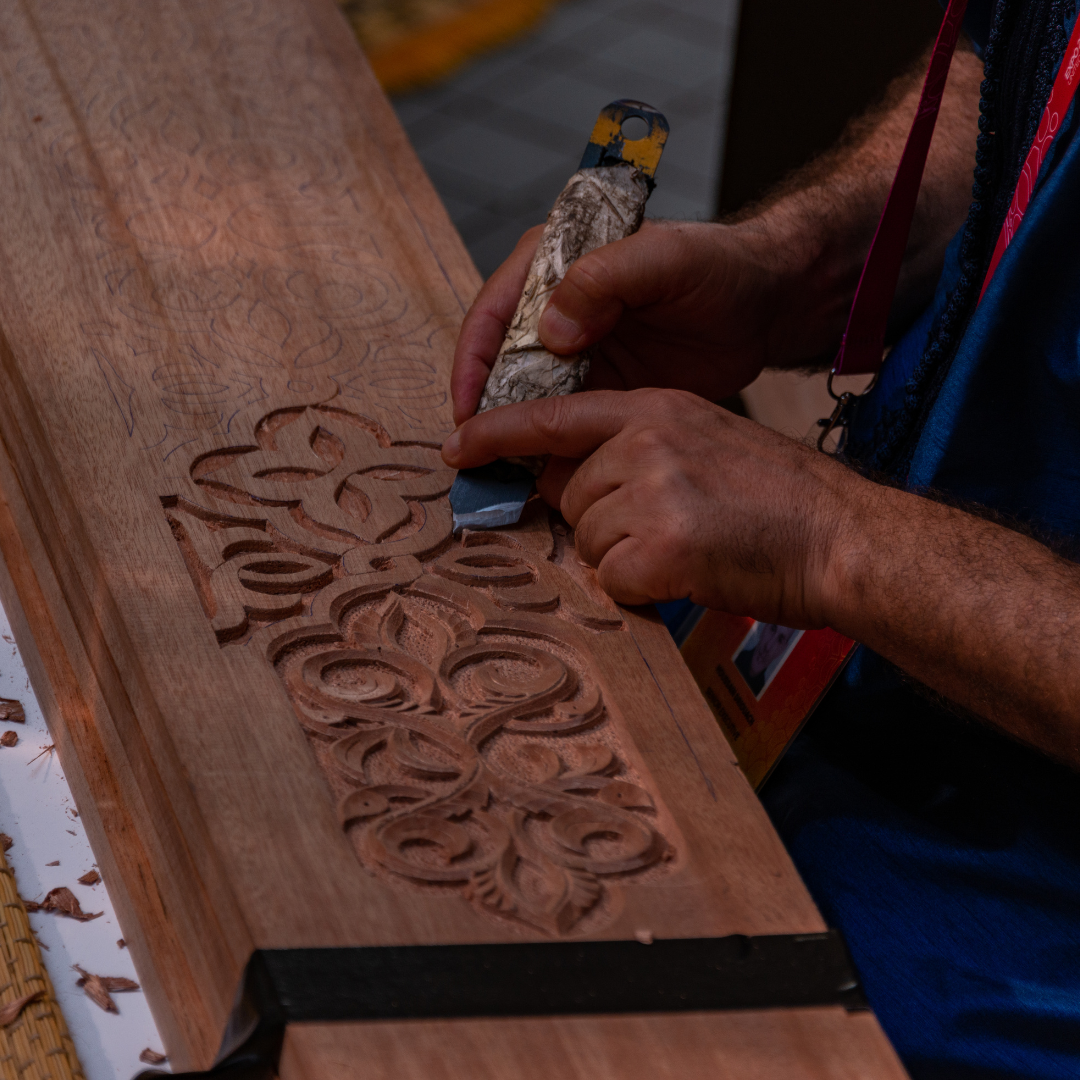
Wood carving is a rewarding hobby that allows individuals to express their creativity while transforming simple blocks of wood into intricate artworks. For successful wood carving, having the right essential tools is crucial, as they can make the difference between frustration and enjoyment in the process. Each tool serves a unique purpose, enabling carvers to achieve various shapes and details with precision.
Beginners may feel overwhelmed by the array of options available, but focusing on a few fundamental tools will build a solid foundation. The most important tools typically include sharp chisels, a reliable knife, and a sturdy mallet, which together enable a range of projects and techniques. Understanding how to choose and use these essential wood carving tools can enhance both skills and satisfaction in the craft.
As carvers progress, they may find that investing in specific tools tailored to their style and preferences can further elevate their art. With each project, the right equipment not only increases efficiency but also fosters a deeper connection to the craft. Whether shaping delicate details or larger forms, the tools make the vision come to life, inviting creativity and innovation.
The Basics of Wood Carving
Wood carving requires a careful selection of materials and a grasp of fundamental techniques. Beginners should familiarise themselves with the characteristics of different woods and practice essential skills to create various projects.
Understanding Wood Selection
Choosing the right wood is critical for successful carving. Basswood is a popular choice for beginners. It is soft, easy to carve, and has a fine grain that handles detail well.
Softwoods, such as pine, are also suitable, offering lightness and accessibility. They are generally less expensive but may not hold fine detail as well as basswood.
In contrast, hardwoods like oak and cherry are denser, which provides durability but can be challenging for novice carvers. They require sharper tools and more effort to carve. Selecting the right type will help ensure a smoother carving experience.
Fundamental Wood Carving Techniques
Understanding basic wood carving techniques is essential for any beginner. Slicing is one technique that involves using a carving knife to make long, continuous cuts, perfect for shaping wood quickly.
Chipping removes small chips of wood, allowing for controlled carving. This method is advantageous for adding intricate designs.
Using tools like gouges and chisels is critical for these techniques. Beginners should practise with various shapes and sizes to gain confidence in their abilities.
Developing a good grip and maintaining proper tool angles leads to better control and accuracy. Regular practice will enhance skills over time, making carving more enjoyable.
Essential Carving Tools and Their Uses
Wood carving requires a specific set of tools to achieve precision and creativity. Understanding each tool’s purpose can enhance the carving experience and results.
Carving Knives and Bench Knives
Carving knives are versatile tools, essential for various carving techniques. They come in different blade shapes, allowing the carver to create detailed designs or perform basic shaping tasks. A bench knife, often featuring a straight blade, is ideal for making straight cuts and can also assist with fine details.
Common types of carving knives include the detail knife, which has a narrow blade for intricate work, and the hook knife, designed for hollowing out areas such as bowls.
These knives are usually made from high-quality steel, ensuring durability and sharpness. Regular sharpening is necessary to maintain their effectiveness.
Gouges and V-Tools
Gouges are essential for removing larger amounts of wood. They have curved blades, ideal for making hollows and rounded shapes. The size and sweep of gouges vary, allowing for a range of carving styles.
V-tools, characterised by their V-shaped blade, excel in creating fine lines and details. They are commonly used to add texture and depth to a carving. The unique geometry of the V-tool helps achieve intricate patterns that enhance overall designs.
Both gouges and V-tools are particularly useful for adding intricacies to projects, making them indispensable for any carver’s toolkit.
Chisels, Veiners, and Skew Chisels
Chisels serve a variety of functions in wood carving. Flat chisels are excellent for chiselling flat surfaces and making joints, while veiners have a U-shaped profile that creates rounded grooves. Veiners are particularly useful for adding decorative elements.
Skew chisels feature an angled blade, allowing for clean, precise cuts at different angles. The angle provides excellent control, making these tools favourable for detailed work and smooth finishes.
Having a range of chisels significantly impacts the versatility of the toolset, offering options for both beginners and experienced carvers.
Mallets and Rasps
Mallets are used to drive chisels and gouges more effectively, providing the necessary force for deep cuts without damaging the tools. A carver’s mallet, typically made of wood or rubber, offers control and softer impact, which is ideal for delicate work.
Rasps are invaluable for smoothing and refining surfaces. They come in various shapes and sizes, including flat, round, and half-round profiles, which help with detailed shaping. Rifflers, a specific type of rasp, are advantageous for intricate work, as their smaller size allows for precise control.
Both mallets and rasps play critical roles in shaping and finishing, making them essential for any comprehensive wood carving toolkit.
Safety and Maintenance
Proper safety measures and maintenance practices are crucial for effective wood carving. Using the right protective gear and keeping tools in good condition can significantly enhance the carving experience while ensuring safety.
Choosing the Correct Protective Gear
Selecting the right protective gear is essential in wood carving. Safety glasses help protect the eyes from wood chips and debris, especially when fitted with impact-resistant lenses. Since woodworking often exposes users to fine particles and flying fragments, maintaining proper visual safety is an important part of safe practice. In many woodworking environments, broader options such as safety eyewear are also used for consistent protection during detailed carving work.
Additionally, wearing cut-resistant gloves can prevent injuries from sharp tools. These gloves provide a barrier without compromising dexterity.
An apron made from durable material can shield clothing and skin from any potential splinters or sharp edges. Ergonomic handles on tools can also help reduce strain on the hands, promoting better control while carving.
Maintenance of Carving Tools
Maintaining carving tools ensures longevity and optimal performance. Regularly sharpening tools using a strop or honing stone can keep edges effective and reduce the amount of force needed during carving.
After each use, it’s beneficial to clean tools with a soft cloth to prevent moisture accumulation. Moisture can lead to rust, compromising the tool’s effectiveness.
For wooden handles, applying a light coat of mineral oil can prevent drying and cracking. Sandpaper can be used to smooth out any rough spots on handles, enhancing grip and comfort during use. Proper maintenance not only prolongs the life of carving tools but also enhances safety during their use.
Specialised Carving Techniques
Specialised carving techniques enhance the artistic potential and intricacy of wood projects. Techniques such as relief carving, chip carving, and spoon carving offer unique methods for wood carvers to express their creativity.
Relief Carving Explained
Relief carving involves creating a three-dimensional design that projects from a flat background. This technique is often used for decorative panels, plaques, and furniture embellishments.
Woodcarvers begin by sketching their designs onto the wood surface. Tools such as chisels, veins, and gouges are employed to carve away excess material, allowing the image to emerge from the wood.
The depth of the carving can vary, and layers can be built up for greater dimensionality. Mastery of this technique requires a precise touch, as the details significantly impact the final appearance. Consideration of light and shadow is crucial for enhancing visual interest.
The Art of Chip and Spoon Carving
Chip carving is characterised by its geometric patterns and requires specific chiselling techniques. This style utilises a knife to remove small chips of wood, resulting in intricate designs that often adorn boxes, trays, and other small projects.
Spoon carving is a popular choice for creating functional items like spoons and bowls. It requires a carving knife, a hook knife, and a straight knife. The process begins with selecting a suitable piece of wood, typically green wood for ease of carving.
Carvers shape the spoon by removing material carefully and often work to achieve ergonomic designs. Each tool plays a vital role in achieving the desired form, and skill development is essential for producing high-quality results.