Textile painting and dyeing techniques offer a vibrant way for artists and hobbyists alike to express creativity on fabric. From ancient methods to contemporary practices, these techniques enable individuals to transform plain textiles into unique works of art. Exploring various approaches can inspire new ideas and skills, making textile artistry accessible to all.
Individuals interested in fabric art can benefit from learning about different dyeing processes, such as tie-dye and batik, as well as painting techniques that include silk painting and screen printing. Each method provides distinct effects and possibilities, expanding the realm of what can be achieved with textiles.
Whether someone is a seasoned artist or a beginner, understanding these techniques can enhance their projects and lead to stunning results. With the right knowledge and practice, anyone can create textiles that tell a story or reflect personal style.
Fundamentals of Textile Painting and Dyeing
Textile painting and dyeing involve using various techniques to apply colour to fabrics. Understanding the materials and safety measures is essential for achieving desired results while ensuring a safe working environment.
Understanding Textile Fibres
Fibres are the building blocks of textiles. They can be classified into natural and synthetic categories.
Natural fibres include cotton, silk, wool, and linen. These materials are derived from plants or animals and often absorb dyes well, enhancing vibrancy.
Synthetic fibres, such as polyester and nylon, are man-made and often require specific dyes designed for their chemical structure.
Choosing the right fabric affects dye absorption and final appearance. For those new to textile dyeing, starting with natural fibres can often yield more predictable results.
Essential Dyeing Materials and Equipment
The selection of dyeing materials is crucial for effective results. Dyes can be classified into natural dyes and synthetic dyes.
- Natural dyes are sourced from plants, insects, and minerals. Examples include indigo from plants and cochineal from insects.
- Synthetic dyes, such as reactive and acid dyes, are made chemically and offer a wider range of vibrant colours.
Essential equipment for dyeing includes:
- Dye pots: Non-reactive pots made of stainless steel or enamel are ideal.
- Stirrers: Wooden or silicone stirrers help mix dyes without contamination.
- Protective gear: Gloves and an apron are essential to prevent staining skin and clothes during the process.
Safety Measures and Protective Gear
Safety is paramount in textile painting and dyeing. Protective gear safeguards against potential harm from chemicals and dyes.
Recommended equipment includes:
- Gloves: Nitrile or latex gloves protect hands from stains and chemicals.
- Aprons or old clothing: A durable apron helps protect body clothing from spills.
- Masks: A mask is advisable when working with powdered dyes to avoid inhalation.
Proper ventilation in the workspace is also essential. Adequate airflow reduces exposure to potentially harmful fumes released during the dyeing process. Safe practices ensure a positive experience and minimise risks associated with textile dyeing.
Core Dyeing Techniques
Dyeing techniques vary significantly based on the desired effects and methods used. Key dyeing techniques include immersion and direct dyeing, resist dyeing methods and speciality techniques that produce unique visual outcomes.
Immersion and Direct Dyeing
Immersion dyeing involves submerging fabric in a dye bath, enabling even colour saturation. This technique is effective for achieving vibrant hues across various fabrics. Direct dyeing allows the dye to bond directly to the fabric without requiring a mordant.
Dip-dyeing emerges as a popular method, where only a portion of the fabric is submerged, creating gradients. Ombre dip-dye deepens this concept by transitioning colours from dark to light.
Ice dyeing employs ice over the fabric placed in a dye bath, resulting in intricate patterns as the ice melts. Each method offers distinct characteristics that can be tailored to specific fabric types.
Resist Dyeing Methods
Resist dyeing involves applying a substance to prevent dye from adhering to certain areas. This creates patterns and designs on the fabric.
Tie-dyeing is one of the most recognised resist methods, where fabric is twisted and bound before dye application, resulting in unique patterns. Shibori dyeing offers a Japanese technique that employs folding, twisting, or bunching fabric, yielding striking results.
Batik dyeing uses wax as a resist agent, creating intricate designs on cotton or silk. Once the dye is applied, the wax is removed to reveal the original fabric beneath. Each method lends itself to creative expression and complexity in design.
Specialty Techniques and Effects
Speciality techniques encompass various creative approaches to dyeing that yield unique results. Techniques like solar dyeing utilises sunlight to extract colour from natural materials, merging time and nature into the process.
Dyeing with procion MX dyes allows for vibrant colours and excellent wash fastness. Combining these dyes with techniques like shibori can generate stunning effects.
Using eco-printing, which employs natural dyes from plant materials, results in organic patterns and textures on fabric. Techniques are endlessly adaptable, making it possible for artists and makers to explore limitless possibilities in their dyeing practices.
Textile Decoration and Pattern Creation
Textile decoration and pattern creation encompass various techniques that bring fabric to life. These methods not only enhance aesthetic appeal but also allow for the expression of culture and individuality through unique designs.
Introduction to Batik and Tie-Dye
Batik and tie-dye are traditional methods that focus on creating intricate designs through the application of wax or resist techniques. In batik, wax is applied to the fabric in specific patterns; when dyed, the areas covered by wax remain the original colour. This process can produce stunning, vibrant colours and unique patterns.
Tie-dye involves twisting or folding fabric, then securing it with ties before applying dye. This results in swirling patterns and colour gradients. Both techniques allow for creativity and experimentation, making them popular for personal and commercial textile projects. The vibrancy of colours in batik and tie-dye highlights the extensive range of effects achievable with simple tools and dyes.
Exploring Screen Printing and Block Printing
Screen printing is a method that uses a mesh screen to transfer ink onto fabric. By blocking certain areas of the screen, multiple colours can be layered, creating complex designs. This technique is highly versatile and suitable for producing bold, detailed images efficiently.
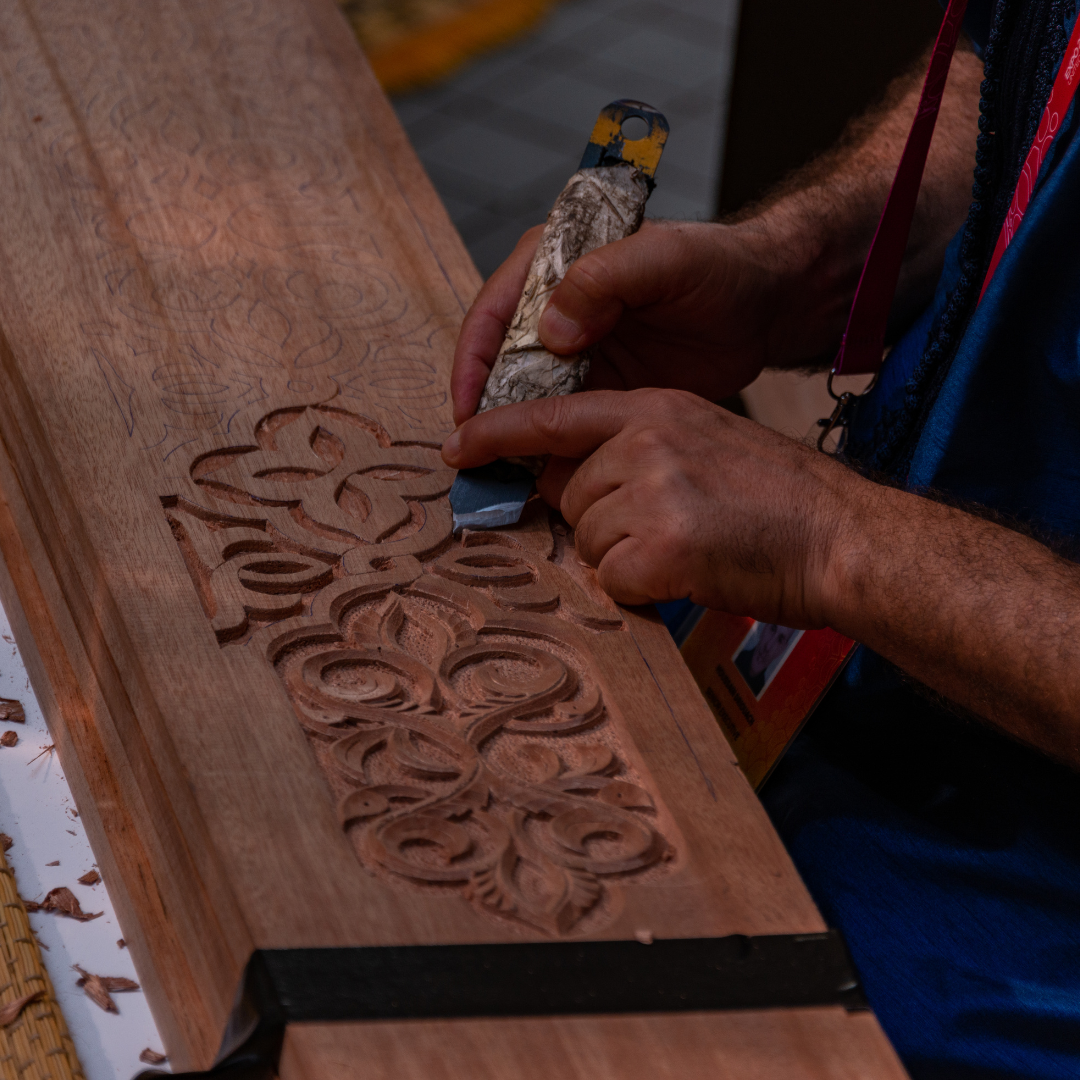
Block printing involves carving a design onto a wooden block, which is then inked and pressed onto the fabric. This age-old method allows for repetitive patterns and is often characterised by its hand-crafted feel. Both screen printing and block printing can produce unique patterns and vivid colours, contributing significantly to textile decoration.
Innovations in Textile Surface Design
Recent innovations in textile surface design have expanded the creative possibilities. Digital printing allows for detailed images and unique dye patterns which were previously challenging to achieve. This technique offers precision and the potential for gradient dyeing effects, enhancing the depth of designs.
Furthermore, modern techniques incorporate sustainable practices, using eco-friendly inks and dyes. The interplay of technology and traditional methods continues to impact the textile industry, enabling designers to create distinct, vibrant textiles that reflect individual artistry and contemporary aesthetics.
Finishing and Caring for Dyed Textiles
Attention to detail in finishing and caring for dyed textiles is crucial. Proper techniques ensure colourfastness and enhance the longevity of vibrant fabrics. This section discusses essential practices for setting dyes and maintaining the quality of dyed textiles.
Setting and Fixing Dye
Setting and fixing dye involves applying specific methods to secure colours within the fabric after the dyeing process. Common techniques include heat setting and chemical fixation.
Heat Setting: This method utilises heat to bond the dye to the fibres. Fabrics can be ironed under a protective cloth or placed in a dryer at a specific temperature for a defined period.
Chemical Fixatives: Products such as salt or vinegar can be added during or after dyeing to help fix the dye. This procedure improves dye absorption and prevents fading.
Utilising these methods will significantly reduce the chance of colour bleeding or fading during washing.
Ensuring Colourfastness and Longevity
Colourfastness refers to the resistance of dye to fading or running when exposed to various conditions. This characteristic is vital for preserving the appearance of dyed textiles.
Testing: Before using a dyed fabric, a colourfastness test can be performed. This involves dampening a white cloth and rubbing it on the dyed area. If colour transfers to the cloth, further treatment may be required.
Care Guidelines: To enhance colour longevity, hand washing in cold water with mild detergent is recommended. Avoid exposure to bright sunlight for extended periods, as UV light can degrade colours.
Choosing the right dye and following care instructions can ensure the fabric retains its vibrant colours for a longer time.
Post-Dyeing Fabric Care
Proper post-dyeing care is essential to maintain the integrity of dyed textiles. After the dyeing process, fabrics require specific washing and drying techniques.
Washing: Fabrics should be gently washed separately for the first few cycles to prevent colour transfer. Use cold water and a gentle cycle.
Drying: Air drying is preferable. Hanging fabrics in a shaded area reduces exposure to sunlight, which can fade colours.
Ironing: When ironing, it’s best to use a low-temperature setting and place a cloth between the iron and the fabric. This method helps avoid direct heat, which may affect dye integrity.
By following these practices, it is possible to enjoy beautifully dyed textiles for years.