Modern crafting often embraces new tools and materials, but traditional techniques remain essential for preserving skill, quality, and authenticity. These methods offer a foundation that enhances both the execution and character of handmade items.
Traditional techniques still matter because they provide a level of precision and craftsmanship that is difficult to replicate with purely modern methods. They connect crafters to a rich history of knowledge that informs better decision-making and creativity.
By blending old skills with new innovations, crafters achieve unique results that stand out in a mass-produced world. This balance makes traditional techniques relevant and valuable today.
The Enduring Relevance of Traditional Techniques
Traditional techniques remain integral to modern crafting due to their influence on quality, cultural continuity, and innovation. Their application enhances the distinctiveness of crafted items and anchors creative work in long-established practices.
Craftsmanship and Its Role in Modern Crafting
Craftsmanship involves skill, precision, and a deep understanding of materials, all essential for producing superior handcrafted items. Modern crafters continue to rely on these skills to ensure durability and finesse that mass production often lacks.
Skilled hands can adjust techniques in real-time, responding to material behaviour and design needs, something machines cannot replicate. This adaptability preserves the quality and character traditional craftsmanship brings to each piece.
Unique Value of Handcrafted Items
Handcrafted items hold unique value due to their individuality and the care invested in their creation. Unlike factory-made products, each piece tells a story reflected in slight variations and artisan choices.
This uniqueness increases demand for handcrafted goods in markets that value authenticity. Buyers often associate these items with longevity, attention to detail, and personal touch, which traditional techniques naturally provide.
Preservation of Cultural Heritage
Traditional craftsmanship serves as a living archive of cultural heritage. Techniques handed down through generations carry historical significance and connect present-day creators with their cultural roots.
Maintaining these practices supports local economies and communities, ensuring that identities and customs are preserved. Without intentional preservation, many traditional arts risk being lost to modern industrialisation.
Balancing Tradition and Innovation
Modern crafters often merge traditional techniques with new tools and methods to optimise their workflow. This balance allows for innovation while respecting the craftsmanship’s origins.
For example, digital design can enhance precision, but final execution frequently relies on hand skills to maintain authenticity. This synergy between heritage and innovation fosters a resilient and evolving craft sector.
Traditional Techniques Across Contemporary Crafts
Many modern crafts draw directly on time-tested methods, preserving essential skills while adapting to new materials and tools. These approaches maintain craftsmanship’s depth and enrich contemporary creations with tangible heritage.
Pottery and Ceramics Revival
Pottery and ceramics remain grounded in hand-building, wheel-throwing, and glazing techniques developed over centuries. Contemporary potters often utilise clay bodies and firing methods such as raku or wood-firing, which create unique surface effects impossible to replicate with mass production.
Many studios balance traditional kiln use alongside electric kilns, allowing precise control while preserving textural variety. This blend ensures items are both functional and artistic.
Decorative techniques like slip trailing and sgraffito are revived to add individuality. Potters value the unpredictability of firing results, seeing it as part of the craft’s character rather than a flaw.
Woodworking in the Modern Era
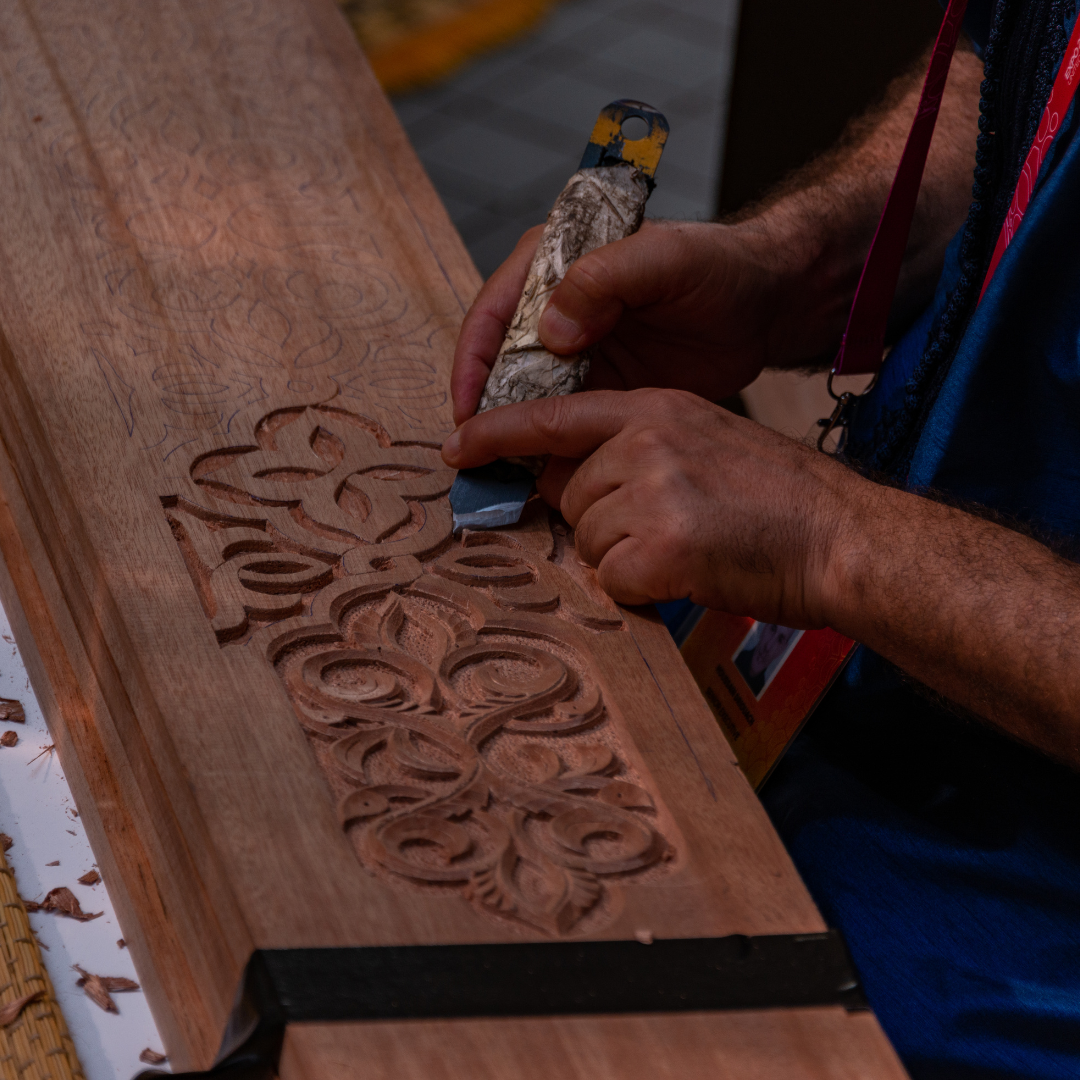
Woodworkers continue to rely on hand tools such as chisels, planes, and saws to shape timber with precision. These traditional tools allow fine control that power tools cannot achieve, especially in detailed joinery.
Dovetail joints, mortise and tenon, and other historic joinery methods are still preferred for furniture durability and aesthetics. These techniques demand skill, fostering a deep understanding of wood grain and movement.
Many craftsmen balance this with modern machinery for efficiency but reserve handwork for final assembly and finishing, ensuring the piece’s integrity.
Textiles and the Art of Weaving
The fundamental principles of weaving on looms remain unchanged even in modern textile studios. Practitioners often use handlooms to create complex patterns and textures that mechanised looms cannot replicate.
Traditional dyeing methods, including natural plant-based dyes, are increasingly used to maintain colour authenticity. Artisans value slow, deliberate processes that enhance fabric hand and longevity.
Weaving maintains its cultural significance by preserving regional patterns and techniques, connecting contemporary artists to long-standing communal histories.
Evolving Approaches in Workshops
Traditional skills are taught through hands-on workshops that focus on tactile learning rather than digital simulations. This approach helps learners develop muscle memory and ritual appreciation.
Classes often combine demonstration with individual practice in pottery, woodworking, or weaving. Such environments encourage problem-solving and direct feedback, crucial for mastering craft complexities.
Workshops also emphasise sustainability—using reclaimed timber, natural fibres, or local clays—tying traditional ethics to contemporary concerns. This practice preserves craft heritage while addressing environmental impact.
Facing the Challenges of the Information Age
Traditional crafting faces significant hurdles due to advances in mass production and automation. At the same time, technology offers tools to connect these crafts with modern audiences. Education and community efforts play a vital role in keeping traditional methods alive despite changing times.
Impact of Mass Production and Automation
Mass production has industrialised many goods, reducing the need for handcrafted items. Automation allows rapid and cost-effective manufacturing but often sacrifices the uniqueness and skill found in traditional crafts.
Handmade products can struggle to compete on price and speed. However, there remains a demand for personalised and artisanal goods that mass production cannot replicate. Traditional crafts represent quality, heritage, and individuality, traits often lost in automated processes.
Connecting Traditional Crafts with Technology
Technology offers ways to promote, document, and evolve traditional crafting. Digital platforms enable artisans to reach global markets without middlemen, raising awareness and increasing sales.
Craftspeople also incorporate modern tools, such as 3D modelling or laser cutting, to complement hand techniques. This hybrid approach preserves core skills while improving precision and efficiency where needed.
Revival Through Education and Communities
Education programmes and craft guilds help transfer skills to new generations. Workshops, apprenticeships, and online tutorials make learning traditional crafts accessible.
Communities create networks of shared knowledge and support. They organise events, exhibitions, and fairs where craftspeople connect with buyers and each other, fostering a sustainable environment for heritage skills.
Sustainability and the Future of Crafting
Sustainability is growing in importance for crafters who combine traditional methods with future-focused practices. The use of responsible materials and the environmental benefits of handmade goods are critical factors. Modern design also plays a role, adapting classic techniques to new, eco-friendly creations.
Sustainable Materials in Traditional Craft
Traditional crafting often relies on natural materials like wood, wool, clay, and fibres sourced locally. These materials reduce reliance on synthetic, non-renewable resources. Artisans who select organic dyes and untreated fibres support eco-friendly production processes.
Using sustainable materials promotes a closed-loop practice where waste is minimal, and products are biodegradable. This approach contrasts with mass production’s heavy plastics and chemicals. Many traditional makers prioritise quality over quantity, limiting resource depletion and supporting longevity.
Environmental Impact of Handmade Goods
Handmade goods usually have a smaller environmental footprint than factory-made items. They typically require less energy, utilise fewer pollutants, and produce little industrial waste. The slower production pace also encourages mindful consumption rather than disposable trends.
Craftspeople can often trace every component’s origin, allowing better environmental oversight. This transparency helps maintain ethical standards and reduces carbon emissions tied to long supply chains. The durability of handcrafted items means fewer replacements and less landfill waste over time.
The Influence of Modern Design on Crafting
Modern design integrates traditional craftsmanship with innovative techniques to enhance sustainability. Designers may blend digital tools with hand skills to reduce material waste during prototyping. They also explore new eco-friendly materials that mimic traditional ones but have improved durability or are sourced more responsibly.
Contemporary styles often favour minimalist and multifunctional products, extending an item’s relevance and usefulness. This shift changes the crafting mindset from mass production towards personalised, meaningful objects, aligning both sustainability goals and aesthetic demand.