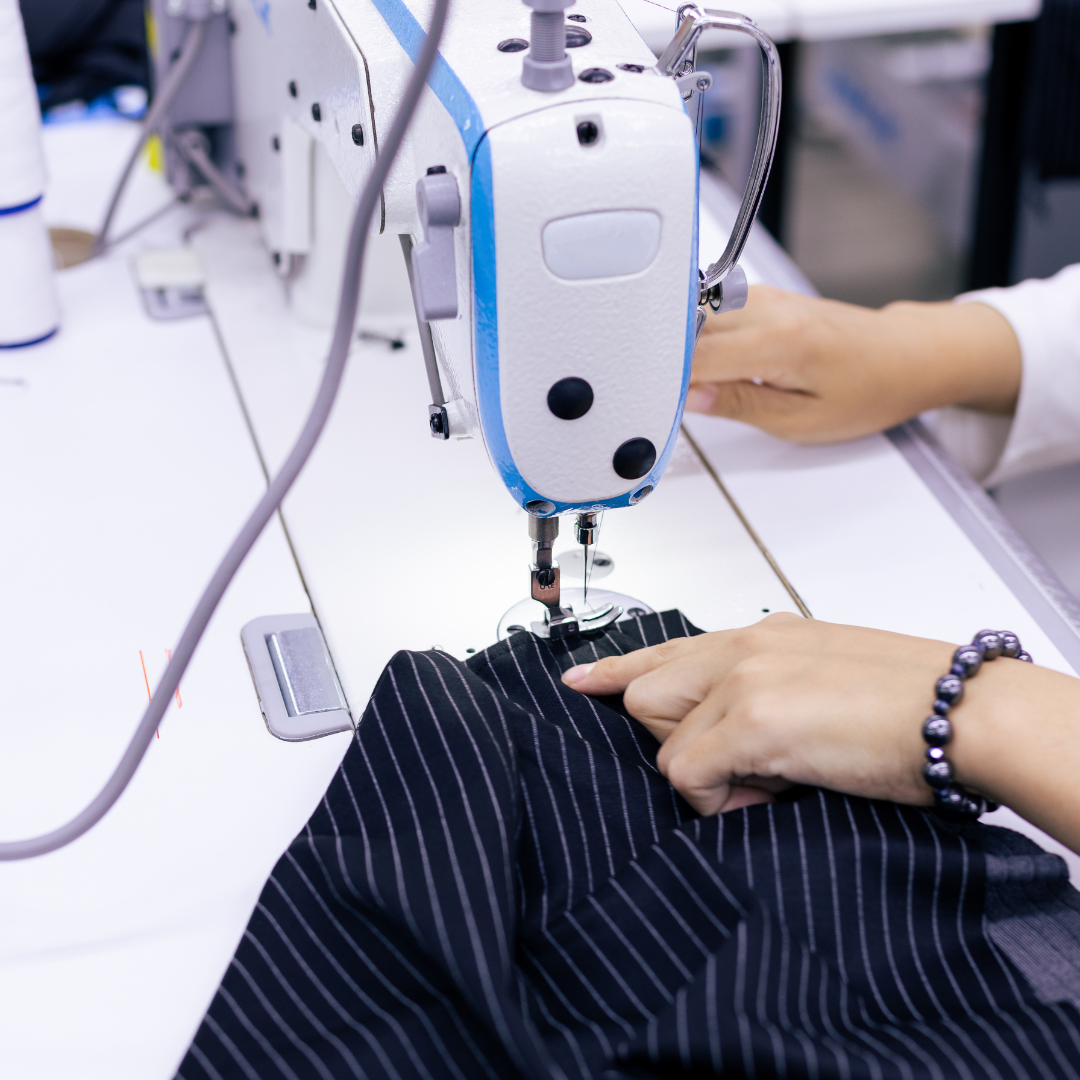
Handmade items add a unique touch to any home by offering individuality that mass-produced goods cannot replicate. They carry the personal effort and care of the maker, making them more meaningful and cherished as home accents. This craftsmanship brings a depth of character that connects people to the objects they live with every day.
These items often reflect cultural traditions, artistic styles, or personal stories, which enrich the space they occupy. Their imperfections and distinct features highlight authenticity, creating a more welcoming and personalised environment.
Choosing handmade items also supports local artisans and sustainable practices, adding ethical value alongside aesthetic appeal. This combination of meaning, quality, and responsibility makes handmade accents a thoughtful choice for any home.
The Significance of Handmade Pieces as Home Accents
Handmade home accents offer qualities that differentiate them from mass-produced items. Their distinctiveness stems from personal craftsmanship, emotional value, and the ability to reflect individual style with authenticity. These elements make artisan pieces more than simple decorations.
Individuality and Uniqueness in Handmade Décor
Each handcrafted piece carries subtle variations that no machine can replicate. Differences in texture, colour, and shape arise naturally from the artisan’s techniques and materials used. This uniqueness ensures that no two items are exactly alike, adding an exclusive quality to a home.
Artisan creations often incorporate locally sourced or natural materials, which further contribute to their distinctiveness. The imperfections and inconsistencies within these pieces symbolise authenticity, setting them apart from uniform, factory-made products.
Emotional Connection and Storytelling
Handmade items often have stories linked to their creation, such as the artisan’s background or the cultural methods employed. These stories create an emotional bond between the owner and the object, enhancing its significance within the home environment.
The time and skill invested in each handcrafted piece also add emotional weight. Knowing the effort behind the item encourages appreciation beyond its aesthetic, making it a meaningful part of daily life and family heritage.
Crafting a Personal Home Style
Using artisan accents allows for greater expression of personal taste. Handmade décor can be selected to complement existing furnishings or introduce a focal point that reflects the owner’s values and preferences.
These pieces offer versatility, fitting both traditional and modern environments while maintaining character. The distinctiveness of handcrafted décor supports a cohesive and thoughtfully curated home style that feels genuinely individual.
The Value of Craftsmanship and Quality
Handmade items often exemplify careful attention to detail and superior materials. They prioritise thoughtful production over mass output, resulting in unique pieces that carry distinct character and durability.
Craftsmanship and Long-Lasting Quality
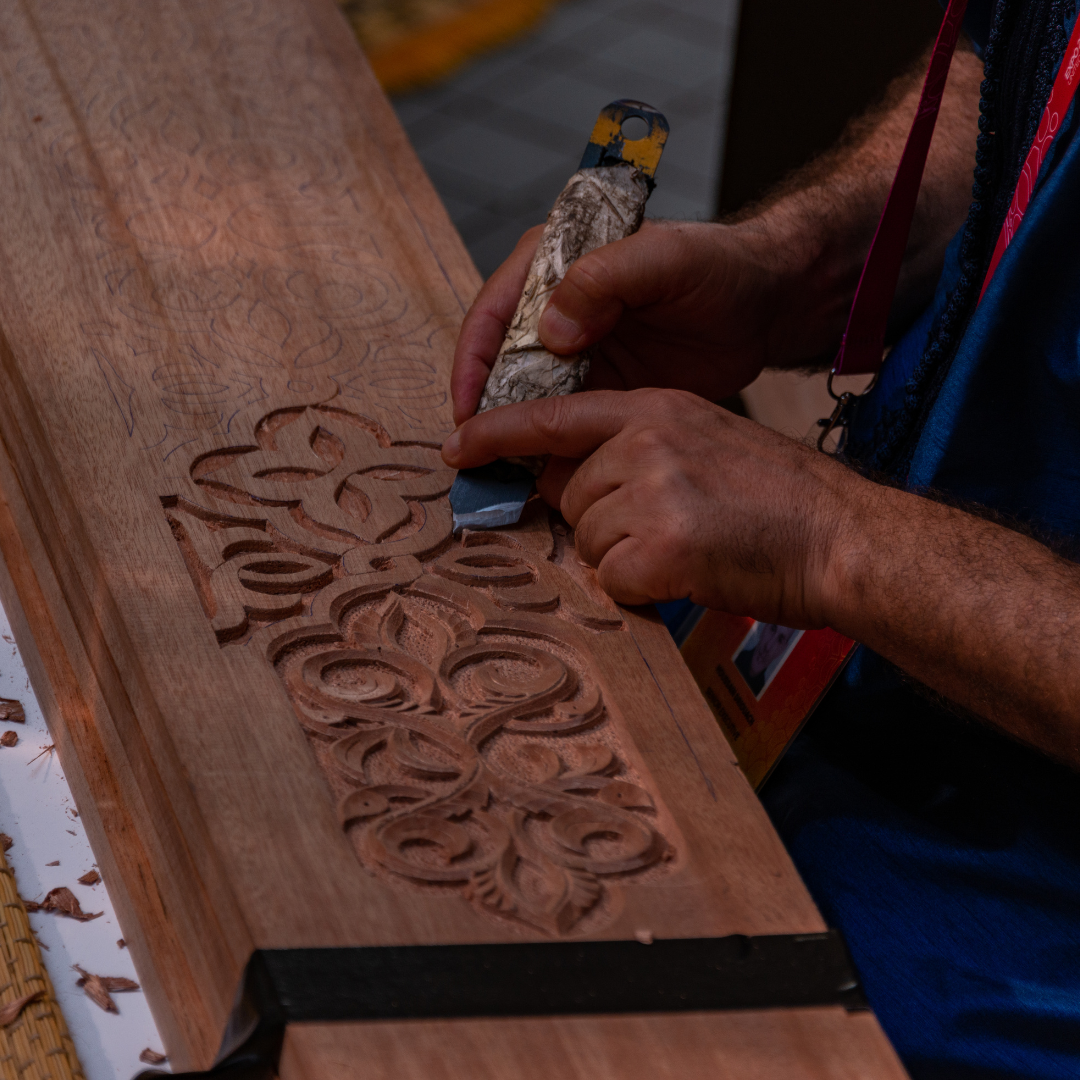
Craftsmanship lies at the heart of handmade objects, combining skill and time. For example, a hand-carved wood bowl reflects hours of precise work, ensuring both aesthetic appeal and structural integrity.
Unlike machine-made products, these pieces often involve traditional techniques passed down through generations. This expertise contributes to long-lasting quality that withstands everyday use without losing its form or function.
Hand-thrown vases also demonstrate this. The potter’s touch creates variations in thickness and shape, which add strength and resilience. Such intentional craft results in items designed to endure.
Quality Over Quantity
Handmade products focus on quality instead of mass production. Artisans typically create limited quantities, allowing them to maintain rigorous standards throughout the process.
This means each item is inspected carefully at every stage – from selecting raw materials to the final finish. The approach contrasts with factory-made goods, where speed and volume often compromise quality.
Consumers who choose handmade accents benefit from well-made, durable pieces. These items often retain value better than their mass-produced counterparts, because they are built to last from start to finish.
Charm of Imperfection
Imperfections in handmade goods are not flaws but marks of authenticity. Slight variations in shape or texture, like those found in hand-thrown vases, reflect human involvement and individuality.
These subtle differences give each product a story and a unique character. They differentiate handcrafted items from uniform, machine-made products and add warmth to a home’s decor.
The charm of imperfection makes these goods visually and emotionally appealing. It invites appreciation for the craft rather than purely functional use.
Supporting Artisans, Communities, and Sustainable Values
Handmade items often reflect conscious choices about materials, local economies, and cultural preservation. These products contribute to environmental care, support small businesses, and keep cultural traditions alive.
Sustainability and Locally Sourced Materials
Handmade goods typically use locally sourced materials, reducing carbon footprints associated with long-distance shipping. Artisans often select natural, renewable resources like wood, cotton, or clay, which break down more easily at the end of their lifecycle.
This approach minimises waste and avoids synthetic chemicals found in mass-produced items. It also encourages responsible harvesting and farming practices. Consumers choosing such items back a sustainable production model that contrasts with fast manufacturing’s heavy environmental toll.
Impact on Local Communities and Small Businesses
Purchasing handmade pieces supports small businesses directly, allowing artisans to earn fair wages. This economic empowerment helps sustain local communities by keeping money circulating within them.
Small businesses often rely on community connections, which foster a resilient local economy. Handmade goods create jobs beyond the workshop, including in materials sourcing and retail. This network strengthens social ties and contributes to neighbourhood stability.
Preserving Cultural Heritage
Handmade products often carry traditional techniques passed down through generations. Artisans maintain unique craftsmanship, ensuring cultural stories and identities persist in tangible form.
These items act as cultural artefacts, embodying local history and customs. Supporting them helps prevent the loss of specialised skills and promotes cultural diversity worldwide. It also encourages respect for the heritage embedded in everyday objects.
Popular Types and Care of Handmade Home Accents
Handmade home accents often include textiles, ceramics, and woodcraft, each offering unique textures and finishes. Understanding how to care for these pieces helps maintain their aesthetic and functional value over time.
Textiles, Ceramics, and Woodcraft
Textiles such as handwoven throws, cushions, and rugs introduce warmth and pattern to living spaces. Natural fibres like wool and cotton are common, often dyed with plant-based colours for subtle hues.
Ceramics include hand-thrown vases and bowls, prized for slight variations in shape and glaze that reflect the maker’s skill. These pieces should be handled carefully to avoid chipping.
Woodcraft encompasses hand-carved wood objects, from decorative bowls to picture frames. The grain and carving marks are distinctive, offering a tactile quality not found in mass-produced items.
Caring for Handcrafted Pieces
Textiles require gentle washing, often by hand or in cold water with mild detergents, to preserve fibres and colours. Avoid direct sunlight to prevent fading.
Ceramics should be cleaned with a soft cloth and mild soap. Abrasive cleaners or sudden temperature changes can cause cracks or glaze damage.
Wood pieces benefit from regular dusting and occasional oiling with specialised wood treatments. This prevents drying and cracking while enhancing the natural grain. Avoid prolonged moisture exposure, which can warp or stain the wood.