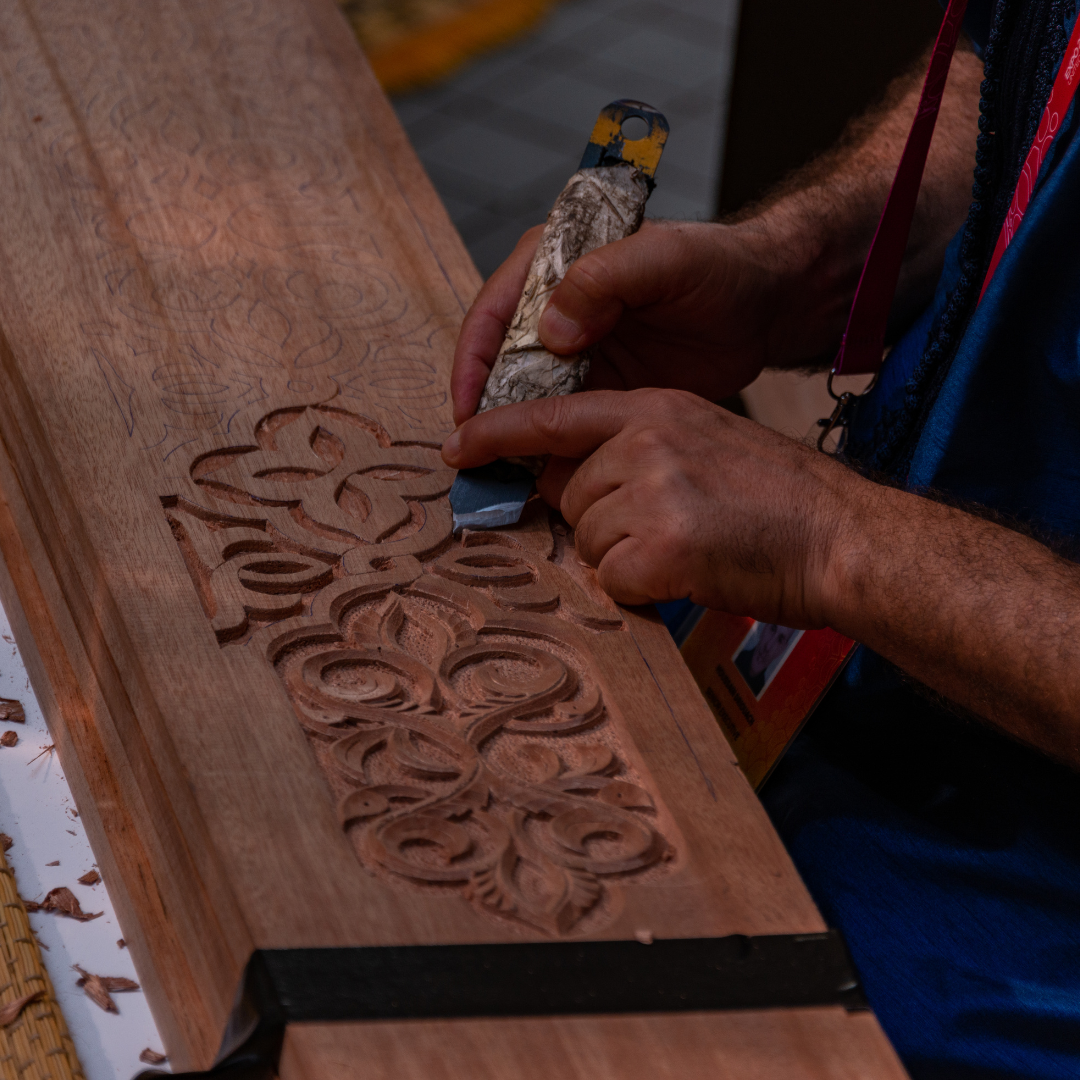
Handmade decor brings a unique touch to any space by embodying individuality and craftsmanship. It adds charm because each piece carries a story and character that mass-produced items cannot replicate. This personal element transforms ordinary rooms into distinctive environments.
People often appreciate the subtle imperfections and variations in handmade items, which enhance a room’s warmth and authenticity. These decorations reflect the creativity and effort of the maker, making the space feel more intentional and curated.
In a world dominated by uniformity, handmade decor offers a refreshing contrast. It creates a connection between the home and the artisan’s skill, enriching the atmosphere beyond mere aesthetics.
The Unique Charm of Handmade Décor
Handmade décor brings distinct qualities to any space through its connection with the creator, the authenticity it carries, and the cultural significance embedded in each piece. These factors turn a simple item into a meaningful focal point.
Personal Touch and Authentic Storytelling
Each handcrafted piece carries the personal touch of its maker. Subtle imperfections, choice of materials, and design decisions tell a story unique to the creator’s skills and experiences. This narrative creates a deeper emotional connection between the item and the owner.
Unlike mass-produced items, handmade décor often reveals the process and intention behind its creation. This storytelling aspect enriches the space, making it more engaging and intimate. The personal character of each piece reflects the artisan’s vision and the context in which it was made.
Unmatched Authenticity and Individual Character
Authenticity defines handmade décor by its originality and genuine quality. Unlike identical factory products, no two handcrafted pieces are exactly alike. Variations in texture, colour, and shape make each item one of a kind.
This individuality adds character that cannot be replicated by machines. Handmade items age differently and develop a unique patina over time, further enhancing their charm. This lasting authenticity appeals to those valuing originality and craftsmanship.
Influence of Cultural Heritage
Handmade décor often embodies cultural heritage, preserving traditional techniques and designs passed down through generations. These pieces reflect regional materials, patterns, and symbolism that connect a space to a broader cultural narrative.
By incorporating cultural elements, handcrafted décor supports artisan communities and keeps traditions alive. This heritage offers a rich backdrop to modern interiors, providing historical depth and cultural context that mass-produced items cannot offer.
Craftsmanship, Durability, and Quality
Handmade decor stands out due to the skill and care invested by artisans. The focus is often on lasting value and meticulous work, which contrasts with many factory-made products.
Superior Craftsmanship and Attention to Detail
Each handcrafted piece reflects the artisan’s expertise and dedication. They pay close attention to small details like stitching, carving, or finishing that machines often overlook.
This level of care results in unique items where imperfections can add character rather than diminish quality. The process usually involves several quality checks to maintain high standards throughout production.
Superior craftsmanship means the item not only looks better but also often fits seamlessly within diverse design themes due to its handcrafted origins.
Durability and Lasting Value
Handmade home decor tends to use stronger, carefully selected materials that increase longevity. Artisans often choose solid woods, quality fabrics, or durable metals that withstand daily wear.
Durability is a core benefit because these pieces are built with function as well as form in mind. Over time, they often become heirlooms rather than disposable items.
This lasting value also means that repairs can be simpler, as artisans understand the construction intimately and can restore or maintain the piece effectively.
Handmade Versus Mass-Produced Items
Mass-produced decor is typically made quickly with cheaper materials and minimal quality control. This leads to uniform but less distinctive products.
In contrast, handmade items carry a distinct character born from human input, often reflected in subtle variations. This makes each piece one-of-a-kind.
While mass-produced items may be cheaper initially, handmade decor offers better return on investment in terms of quality and durability over time.
Ethical, Sustainable, and Responsible Choices
Handmade decor often involves materials and processes that prioritise environmental impact and social responsibility. It reflects a commitment to preserving cultural heritage while supporting ethical practices within production.
Sustainability in Handmade Production
Handmade decor typically uses natural or recycled materials, reducing the reliance on mass-produced synthetic goods. Techniques like hand weaving, carving, or pottery demand less energy compared to factory manufacturing, thereby lowering carbon footprints.
The absence of large-scale machinery means waste is minimised, and artisans often repurpose materials such as scrap wood or reclaimed fabrics. These practices contribute to sustainable resource management. Additionally, biodegradable and eco-friendly inks or dyes are common in handmade processes, limiting harmful chemical use.
Ethical Production and Fair Support for Artisans
Ethical production ensures artisans receive fair wages and work in safe conditions. Handmade decor directly supports craftspeople, often preventing exploitation present in industrial supply chains.
Fair trade certifications or artisan cooperatives help maintain transparency and accountability in payments. This empowers artisans economically and preserves traditional craftsmanship skills that might otherwise disappear.
Choosing handmade items allows consumers to promote responsible labour practices. It also helps maintain a diverse range of artisan crafts by recognising their social and cultural value.
Supporting Local Communities and Traditions
Buying handmade decor often funds local economies and keeps cultural practices alive. Artisans embed regional identity, techniques, and stories into each piece, connecting the consumer to a specific heritage.
Communities benefit when craft traditions are sustained, as income is reinvested locally and skills are passed to younger generations. This support builds resilience in small-scale economies compared to global mass production.
Local sourcing also lowers transport emissions, contributing further to environmental responsibility. Handmade decor thus supports cultural preservation and community development simultaneously.
Integrating Handmade Décor Into Your Home
Incorporating handmade home décor requires thoughtful choices that align with individual personalities and existing interiors. Balancing authenticity with style and function ensures each piece enriches the space without overwhelming it.
Selecting Pieces That Reflect Your Style
Choosing handmade décor that mirrors personal taste helps create a cohesive environment. Items such as embroidered cushions, hand-thrown pottery, or bespoke wooden frames offer unique textures and designs.
Consider colour palettes and material types that complement existing furnishings. For example, rustic wooden pieces suit country-style homes, while minimalistic ceramic vases enhance modern interiors.
Prioritising authenticity means seeking artisans or brands with a transparent creative process. This guarantees craftsmanship quality and reinforces the personal connection to each item.
Mixing Handmade Items With Contemporary Design
Integrating handmade décor into a contemporary space adds warmth and distinctiveness. Pairing sleek furniture with a handwoven rug or a carved sculpture introduces contrast.
Balance is key: use handmade items as focal points rather than cluttering the room. For instance, a handmade ceramic lamp on a glass desk creates harmony without competing styles.
Texture plays a vital role. Rougher, natural surfaces in handmade goods contrast well against polished, modern elements, bringing depth and visual interest to the room.
Extending the Personal Touch to Gifting
Gift-giving using handmade décor conveys thoughtfulness and individuality. Selecting personalised ceramics, woven wall hangings, or customised prints shows attention to the recipient’s preferences.
Such gifts often embody the artisan’s story, increasing their meaningfulness. Including a note about the maker or the creative process adds an authentic layer.
Handmade gifts also encourage sustainability by supporting local craftspeople and reducing mass production, which aligns with a growing desire for ethical consumption.