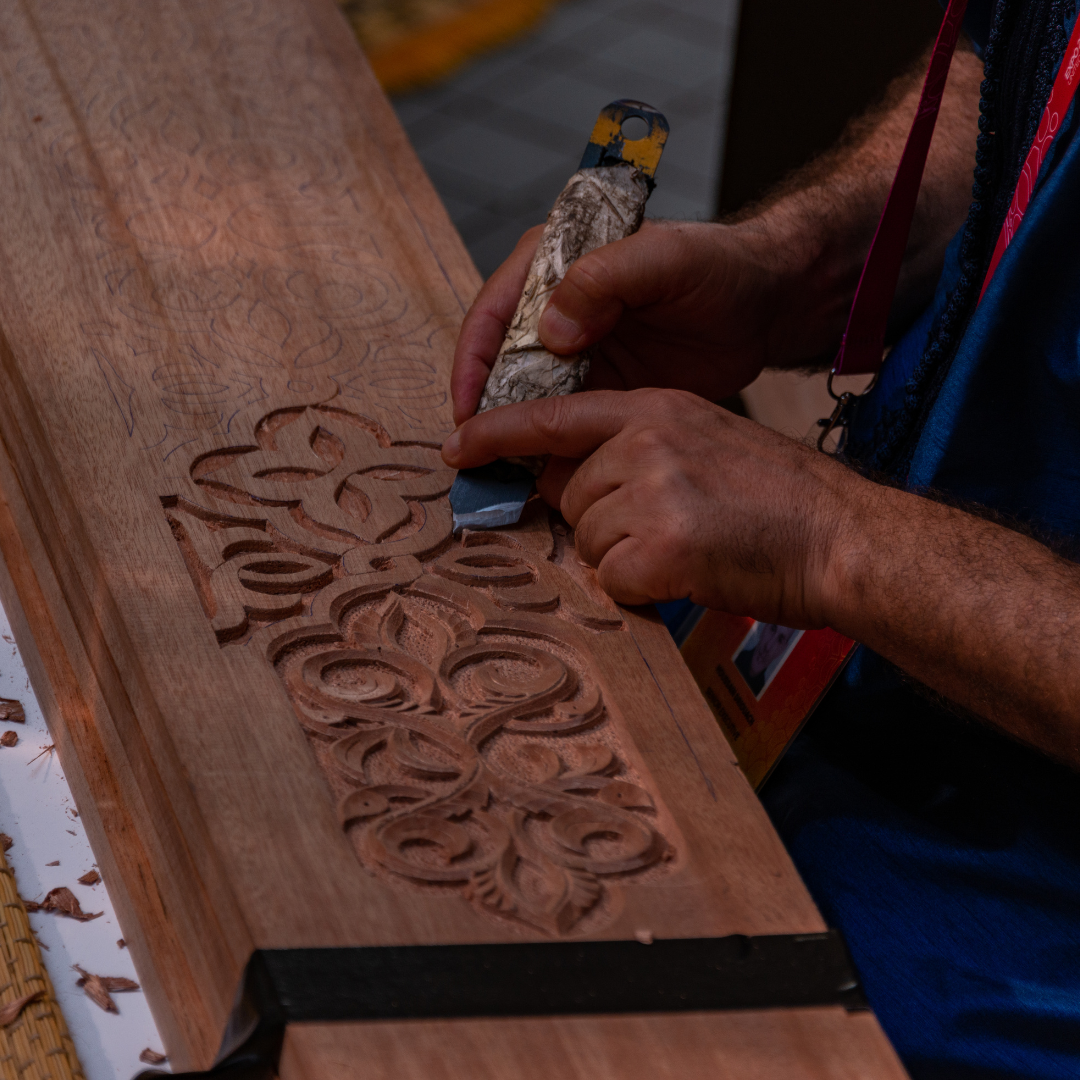
Making art by hand holds a unique emotional value that digital or mass-produced methods often lack. It creates a personal connection between the artist and their creation, allowing feelings and intentions to be embedded into every stroke or detail. This hands-on process helps people express emotions in a way that feels authentic and meaningful.
The act of crafting something manually encourages mindfulness and presence, which can soothe the mind and enhance emotional well-being. They experience a direct link between thought and action, resulting in a deeper appreciation of both the creative journey and the finished piece.
The Emotional Significance Of Creating Art By Hand
Making art by hand involves a deep emotional experience that goes beyond the final product. It engages the artist’s feelings, thoughts, and physical presence in a way digital tools cannot replicate.
Emotional Benefits Of Handmade Art
Creating art manually offers tangible emotional rewards. The physical act of painting, drawing, or sculpting prompts focus, reducing stress and fostering calmness. This hands-on involvement encourages mindfulness as the artist connects directly with materials and textures.
Evidence shows that people who engage in handmade art report increased feelings of satisfaction and lowered anxiety. The slow, deliberate process provides a sense of control and accomplishment often missing in rapid digital creation.
The Connection Between Creative Expression And Emotion
Art and emotion are closely linked through direct creative expression. When an artist paints or draws by hand, they translate complex feelings into colours, shapes, and lines. This non-verbal communication allows emotions difficult to articulate verbally to manifest clearly on the canvas.
Creative expression serves as a bridge between internal experiences and external representation. It helps the maker organise thoughts and emotions, promoting emotional clarity and resilience by processing feelings visually and physically.
Catharsis And Self-Discovery Through Artistic Practices
Artistic practices often offer catharsis, letting creators release pent-up emotions safely. The manual process of art-making invites self-reflection and emotional processing, acting as a therapeutic tool for understanding oneself.
Through painting or drawing, the artist may uncover subconscious feelings or insights otherwise hidden. This journey of self-discovery highlights art’s role in emotional growth, making the creative act a powerful means to explore identity and personal meaning.
Techniques And Art Forms That Evoke Emotional Responses
Different techniques in art tap into varied emotional depths. Colour, texture, and composition guide viewers’ feelings, while the physicality of sculpture and the personal nature of painting and drawing bring unique emotional engagements.
Colour, Texture, And Composition In Artworks
Colour directly influences mood and emotional tone. Van Gogh’s use of vibrant yellows evokes warmth and energy, while cooler blues often elicit calm or sadness. Texture adds tactile depth, creating a physical connection between the viewer and the piece.
Composition shapes how the eye moves, controlling emotional flow. Jackson Pollock’s chaotic drips disrupt traditional structure, inducing excitement or tension. Balanced compositions can offer harmony, while fragmented ones often communicate conflict or unease.
Artists combine these elements deliberately to provoke specific responses, engaging viewers beyond visual appeal.
Sculpture: Tactile Engagement And Emotional Impact
Sculpture invites touch and spatial interaction, linking emotion to physical presence. The weight and form connect hands-on experience with emotional resonance. Rough surfaces can suggest struggle or rawness; smooth finishes may evoke calm or elegance.
The three-dimensional nature encourages movement around the work, offering varied perspectives that shift emotional interpretation. This bodily engagement is distinct from two-dimensional art and deepens the sensory and emotional experience.
Artists like Henry Moore demonstrate how curves and voids in sculpture can symbolise shelter or vulnerability.
Painting And Drawing: Personal Narratives Of Emotion
Painting and drawing often express personal inner worlds. Frida Kahlo’s self-portraits reveal pain and resilience through intimate symbolism and colour choices. These art forms allow direct translation of emotion through brushwork or line quality.
The immediacy of drawing captures fleeting feelings, while paintings provide layered emotional depth through complex colour and texture. Artists’ gestures and marks serve as visible traces of emotion, creating a direct emotional link between creator and viewer.
This personal storytelling makes paintings and drawings powerful vessels of emotional expression.
Personal And Cultural Dimensions Of Handmade Art
Handmade art often carries layers of meaning rooted in individual experiences and wider cultural backgrounds. This intertwining of personal and communal identity shapes the emotional impact and significance of artworks.
Art As A Reflection Of Cultural Identity
Art created by hand frequently embodies distinct cultural symbols, traditions, and histories. For example, Frida Kahlo’s self-portraits include indigenous Mexican motifs that highlight her heritage and political views. Such artworks act as visual stories, preserving cultural narratives through tactile expression.
This cultural embedding allows viewers and creators alike to connect with collective memory. It reinforces a sense of belonging, especially when craftsmanship draws from specific regional techniques or materials unique to a community. The physical act of making art thus becomes a practice of cultural preservation.
Building Emotional Connections With Art
The manual process of crafting art fosters stronger emotional bonds between the creator and the artwork. Using hands to shape, paint, or carve deepens personal investment, making the piece an extension of the artist’s inner world.
Vincent van Gogh’s impassioned brushstrokes reveal turmoil and intensity that resonate emotionally with viewers. Handmade elements capture subtle imperfections and energy, creating authenticity. This tangibility often evokes empathy and sustained appreciation.
The Legacy Of Emotionally Resonant Artworks
Artworks made by hand frequently endure as tangible legacies, carrying emotional resonance across generations. Their physical nature allows a direct link with the past, offering insight into the artist’s life and times.
Such emotional legacies influence new creations and cultural conversations. For instance, Kahlo’s artworks continue to inspire discussions about identity and resilience. Handmade art’s enduring presence firmly establishes its role as both personal memoir and cultural milestone.
The Evolution Of Emotional Value: Handcrafted Versus Digital Art
The emotional connection to art varies significantly depending on whether it is created by hand or through digital means. The tactile experience and personal investment in handmade art contrast with the immediacy and flexibility of digital artworks. This shift influences how both artists and viewers engage emotionally with the final piece.
Comparing Emotional Resonance In Digital And Handmade Art
Handcrafted art carries emotional value through the physical interaction with materials like paint, canvas, and brushes. Artists often experience a deeper sense of presence and personal expression during the process. The imperfections and texture in handmade paintings add unique emotional layers, creating a tangible connection for both creator and observer.
Digital art offers a different emotional appeal. It enables instant revisions, diverse effects, and wide dissemination. However, some argue it lacks the inherent intimacy of physical creation. Still, digital tools allow artists to experiment freely, often resulting in artworks that evoke emotion through innovative visuals and dynamic compositions.
Contemporary Artists And New Forms Of Expression
Many contemporary artists blend traditional techniques with digital processes to harness the strengths of both. They might sketch by hand before digitising their work or print digital images on physical media, creating hybrid artworks. This approach reflects evolving emotional engagements with art and the expanding toolkit available to creators.
New forms like interactive digital installations and augmented reality invite viewers to participate actively, transforming emotional responses. These methods highlight how contemporary artists use technology not to replace but to expand emotional expression within art, showing a complex dialogue between handcraft and digital innovation.