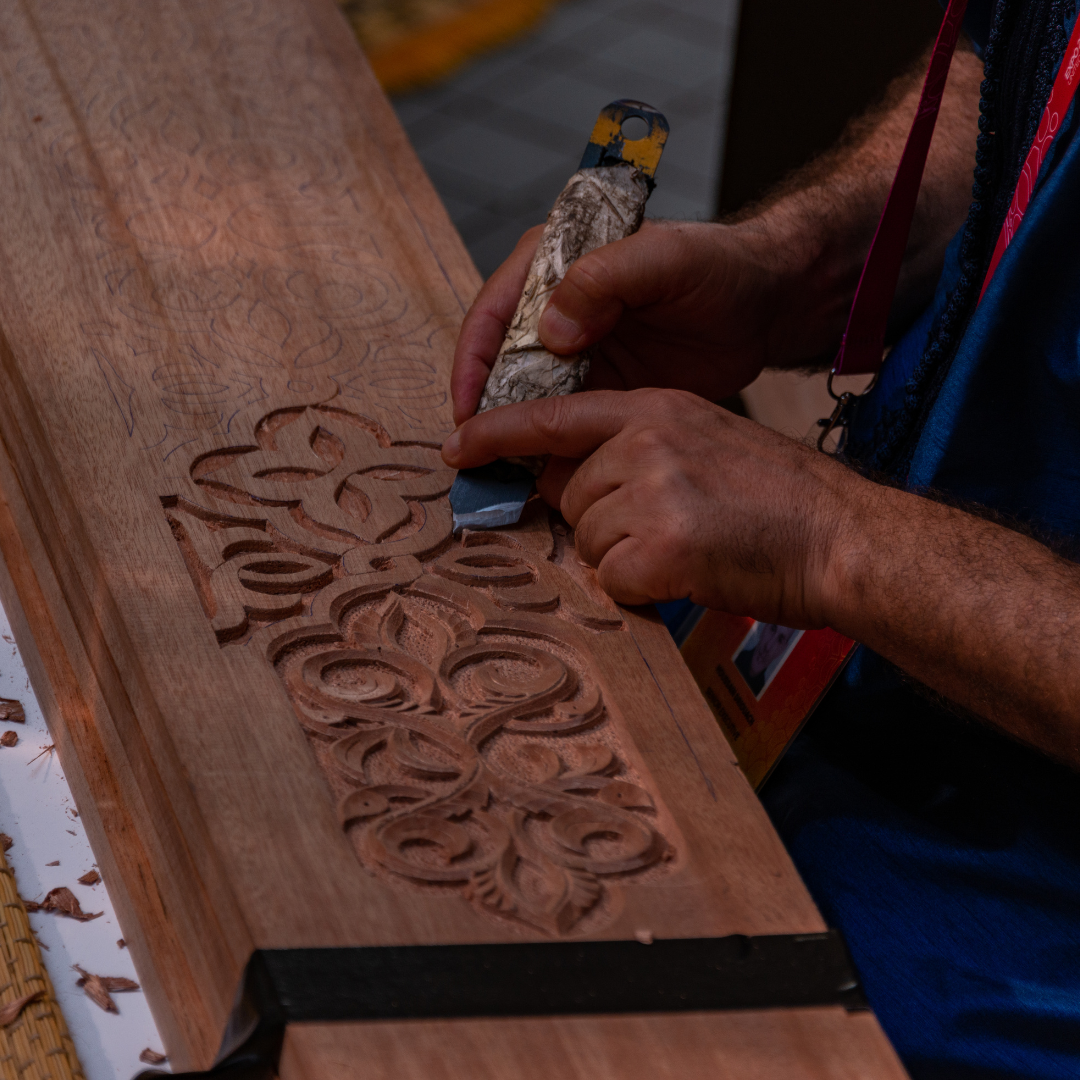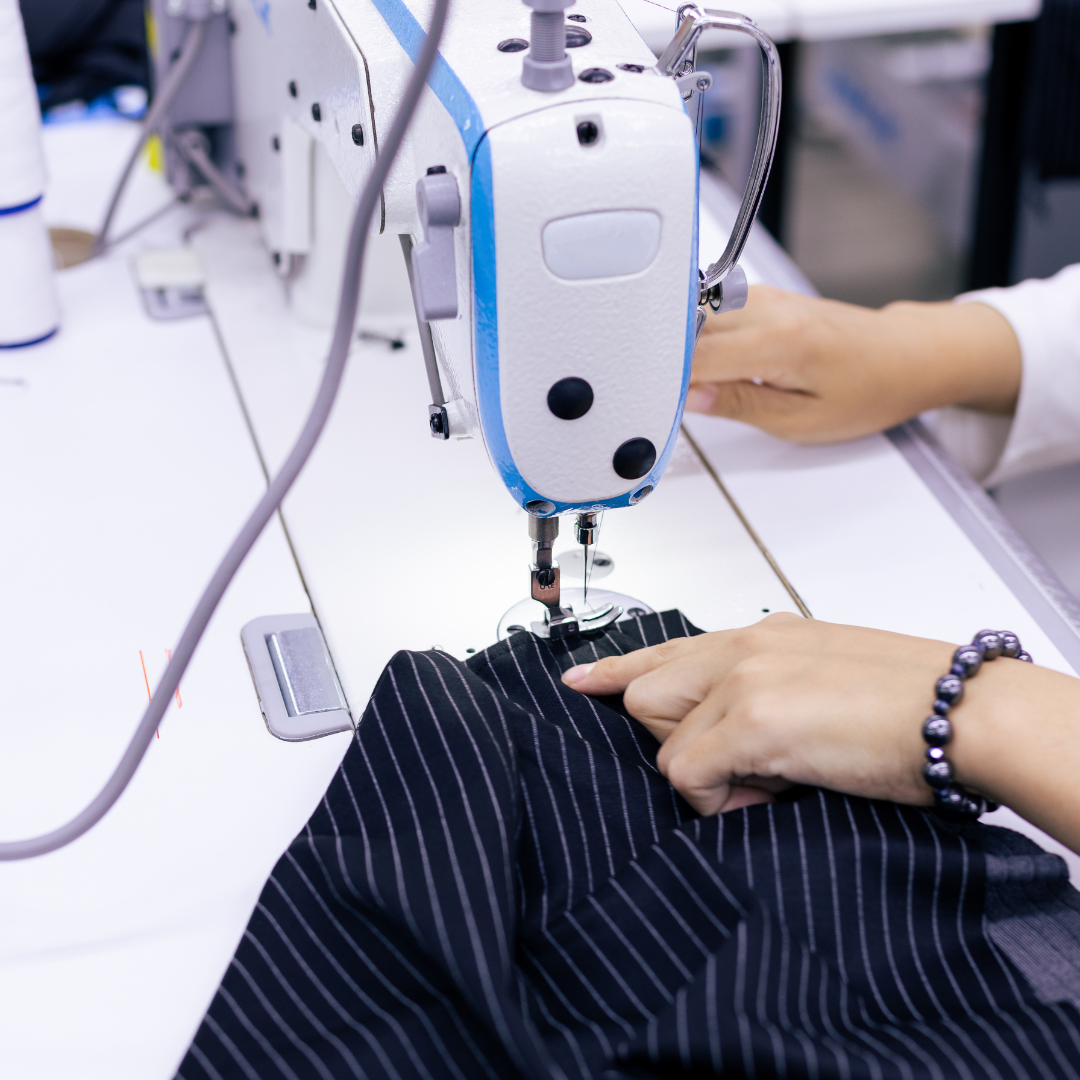
Handmade art carries a unique charm that machines cannot replicate. Small flaws and irregularities bring character and authenticity to each piece. The beauty of imperfection in handmade art lies in its ability to reveal the creator’s human touch, making every item truly one of a kind.
These imperfections create a story, a connection between the artist and the viewer that mass-produced objects lack. They remind us that art is a process, not just a product, highlighting the skill and dedication behind every creation.
Embracing imperfection also challenges the modern obsession with perfection and uniformity. It invites people to appreciate the value of uniqueness and the honest expression found only in handcrafted works.
Understanding the Beauty of Imperfection in Handmade Art
Handmade art often embraces aspects that might be considered flaws in other contexts. These features contribute to its unique character, emotional value, and visual appeal, reflecting a deeper relationship between the creator and their work.
Defining Imperfection in Art
Imperfection in art refers to irregularities or unintended variations that occur during the creative process. These can include uneven brush strokes, asymmetrical shapes, or slight colour inconsistencies. Unlike mechanical reproduction, handmade art exposes the human hand’s influence, making each piece distinct.
Such flaws are not mistakes but intrinsic elements that reveal the artist’s technique and emotional state. They challenge the traditional pursuit of flawless craftsmanship and highlight the authenticity behind the creation.
The Concept of Beauty in Flaws
The beauty of imperfection lies in its ability to evoke a sense of honesty and individuality. Flaws invite viewers to engage more deeply, recognising the labour and intention behind the art. This concept is often linked to the Japanese notion of wabi-sabi, which appreciates transience and imperfection in objects.
Imperfections soften the perfection that can feel sterile or mechanical. They create a dynamic tension where the artwork feels alive, unpredictable, and personal, enhancing its emotional resonance.
Historical Examples of Imperfection in Handmade Works
Many renowned art forms celebrate imperfection as an essential feature. For example, traditional Japanese pottery like raku ware intentionally features cracks and uneven glazing. These marks symbolise natural beauty and the passing of time.
In European folk art, irregular patterns and hand-painted details reveal the artisan’s presence and the cultural context. Even the paintings of the Impressionists show loose, rough brushwork that defied precise realism but created vibrant, evocative scenes.
| Example | Imperfection Type | Significance |
| Raku Pottery | Cracks, uneven glaze | Symbolises nature and impermanence |
| Impressionist Art | Loose brush strokes | Emphasises emotion over accuracy |
| Folk Art | Irregular patterns | Reflects cultural and personal identity |
Authenticity and Emotional Expression in Handmade Pieces
Handmade art carries a distinct authenticity that mass-produced work cannot replicate. The imperfections within these pieces contribute to their emotional depth and communication. This section explores how flaws serve as storytelling tools, evoke feelings, foster artist-viewer connections, and reveal human vulnerability.
Storytelling Through Flaws
Flaws in handmade art act as markers of the creative journey. Uneven brush strokes, slight asymmetry, or variations in texture tell the story of the artist’s process and decisions. These irregularities stand as evidence of human involvement rather than machine precision.
Each imperfection embeds a narrative unique to the creator’s experience, reflecting moments of spontaneity or contemplation. Such details invite viewers to interpret and appreciate the piece beyond its visual appearance. They transform the artwork into a tangible record of individual craftsmanship.
Emotional Resonance in Handcrafted Art
The imperfect nature of handmade art intensifies its emotional impact. Variations in form and finish evoke a sense of warmth and sincerity that polished, uniform objects often lack. The irregularities make the art feel alive and present.
Handmade pieces often convey the artist’s mood or intention with greater clarity, as the imperfections reveal their hand’s movement and energy. Viewers frequently respond to this authenticity with empathy or reflection, deepening the emotional connection.
Connecting Artists and Viewers
Imperfections bridge the gap between creator and audience by highlighting shared humanity. When viewers notice the subtle flaws, they recognise effort and intention, fostering appreciation for the craft and the individual behind it.
This connection encourages dialogue and personal interpretation. Unlike flawless mass production, handmade art invites viewers to engage with the piece’s story. It nurtures a relationship grounded in respect for authenticity and singularity.
Vulnerability and Human Touch
Handmade art exposes the artist’s vulnerability through visible imperfections. Accepting and embracing these flaws shows a willingness to reveal the authentic self, unshielded by the pursuit of perfection.
The human touch evident in each piece serves as proof of this openness. It allows viewers to experience the emotional risks taken by the artist, enriching the value and meaning of the work. Imperfection becomes a powerful statement of identity.
Techniques and Aesthetics Unique to Handmade Art
Handmade art reflects a blend of deliberate technique and natural variance, creating distinct textures and visual depth. Imperfections often become focal points that enrich the piece. These qualities embrace simplicity and intentional irregularity to produce authentic expressions.
Distinctive Characteristics of Handmade Creations
Handmade creations carry marks of the artist’s process visible in brush strokes, knife cuts, or thread paths. Textural irregularities and asymmetry are common, offering a tactile dimension lost in machine-made items.
These characteristics include:
- Uneven brushwork in paintings reveals the speed and pressure applied
- Variation in line thickness in sketches, showing the artist’s hand movement
- Subtle imperfections from materials, like fibres in paper or thread tension in textiles
Such features confirm the human origin of each piece and elevate its value through uniqueness and evident craftsmanship.
Celebrated Styles: Wabi Sabi and Simplicity
Wabi Sabi embraces imperfection, transience, and simplicity as core aesthetics. Originating in Japan, it values natural ageing, weathering, and the beauty found in irregular forms or muted colours.
This philosophy encourages artists to:
- Leave flaws visible rather than conceal them
- Use a minimalist design to focus on the essence rather than the embellishment
- Highlight the natural texture of materials such as unglazed clay or rough paper
Simplicity in handmade art strips away excess, allowing form and texture to command attention, enhancing the sense of authenticity and honesty.
Unique Qualities in Paintings and Sketches
In paintings and sketches, imperfection manifests as uneven edges, hand-mixed colours, and fluid lines. These elements give life to static subjects through dynamic, often unpredictable effects.
Key qualities include:
- Varied brush strokes that build depth and subtle shadowing
- Smudging or blending techniques that create soft transitions
- Visible pencil or charcoal pressure changes, enhancing expressiveness
Artists often use these natural variations consciously to convey mood or atmosphere, making each artwork a singular interpretation rather than a reproduction.
Embracing Imperfection: Impact on Modern Art and Society
The acceptance of imperfection reshapes how art is viewed and valued. It challenges uniformity, fosters creative risks, and highlights authentic individual expression.
Contrast with Mass Production
Mass production emphasises uniformity and consistency, aiming for identical replicas. Handmade art, in contrast, celebrates minor irregularities as proof of human involvement.
These imperfections offer a tangible connection to the artist. They make each piece distinct and resist the sameness found in factory-made products.
Consumers increasingly seek objects with unique characteristics rather than mass-produced, identical items. This shift reflects a desire for authenticity over manufactured perfection.
Creative Growth Through Mistakes
Mistakes in handmade art are often seen as moments of discovery rather than failure. Artists use these imperfections to explore new techniques and ideas, leading to innovation.
By embracing flaws, creators learn flexibility and deepen their understanding of materials and processes. This approach encourages experimentation and continuous skill development.
The acceptance of imperfection alters artistic judgment, prioritising originality and expression over flawless execution. It validates art as a dynamic, evolving practice.
The Value of Handcrafted Uniqueness
Handcrafted art gains value from its inherent variations. No two pieces are exactly alike, making each work a singular object with its own story.
This uniqueness contrasts sharply with mass-produced goods, enhancing emotional connection and cultural significance. It often translates to higher appreciation and monetary worth.
Collectors and audiences prize the authenticity linked to imperfect, handmade art, recognising it as a genuine product of creative effort rather than a mechanical output.