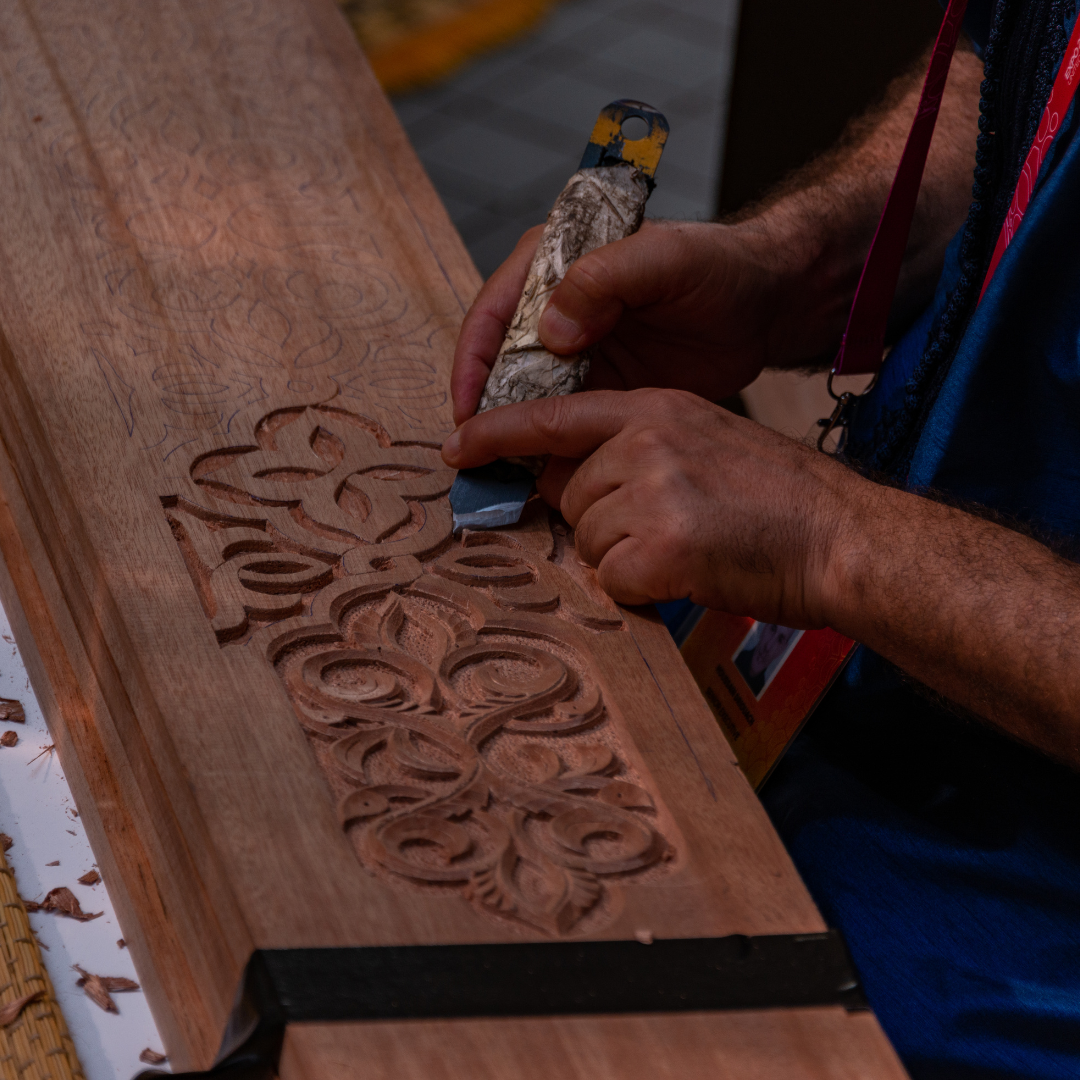
Nature offers endless textures, colours, and forms that serve as a rich source of inspiration for crafts. By observing the environment closely, crafters can integrate natural elements such as leaves, stones, or flowers into their work, adding authenticity and unique character.
Using nature as inspiration means drawing directly from its shapes, patterns, and materials to create pieces that reflect the world around us. This approach encourages creativity and a deeper connection to the environment, which can make the crafting process more fulfilling.
By focusing on the details found in nature, they can develop original designs that stand out from mass-produced items. This method also promotes sustainability by incorporating natural or recycled materials, making crafting both meaningful and environmentally conscious.
Connecting with Nature for Creative Inspiration
Nature offers a rich variety of details that can fuel creative projects. By focusing on patterns, colours, and textures found outdoors, crafters can develop fresh ideas and unique designs.
Observing Patterns and Shapes Outdoors
Examining the intricate details of leaves and bark reveals repeating patterns and distinct shapes. Leaf shapes vary widely, from sharp edges to smooth curves, providing a diverse range of forms to inspire craftwork.
He or she should pay attention to symmetry and irregularities, as these can be translated into designs for textiles, jewellery, or paper crafts. Taking photographs or making quick sketches helps to capture these natural patterns for future reference.
Exploring Seasonal Changes and Colour Palettes
Changes in the season introduce evolving colour schemes that reflect nature’s rhythm. Autumn offers warm oranges and reds, while spring features fresh greens and pastels.
By observing these shifts, a crafter can build seasonal palettes that resonate with the natural world. Creating a colour swatch or palette based on fallen leaves or flowers serves as a practical tool for selecting materials in projects.
Capturing Textures and Movements in a Sketchbook
Using a sketchbook to record textures, such as the rough bark of a tree or the soft surface of moss, deepens the understanding of tactile qualities. Sketches can also depict movements like the sway of branches or the flow of water.
He or she benefits from close-up studies and varied drawing methods, such as rubbing leaf surfaces or quick gesture sketches. These practices help translate natural textures and motion into craft designs.
Gathering and Selecting Natural Materials
Choosing the right natural materials is essential for successful craft projects. The focus should be on responsible collection, recognising suitable items like twigs, pinecones, and leaves, and preparing them properly for use.
Collecting Local Materials Responsibly
Collectors should always prioritise sustainability when gathering natural materials. This means avoiding protected areas and only taking what is abundant to prevent environmental damage.
It is best to gather dead or fallen items rather than living plant parts. For example, fallen pinecones, naturally shed twigs, and leaves on the ground are preferable.
Using gloves and tools can protect the environment and the collector. Keeping an eye on local regulations about collecting natural materials also ensures compliance and respect for nature.
Identifying Twigs, Pinecones, and Leaves
Not every twig, pinecone, or leaf is suitable for crafting. Twigs should be sturdy and dry, free from mould or decay, with varied thickness for texture.
Pinecones vary by species; collectors should select closed or semi-closed cones without rot or insect damage. Their shapes and sizes influence the final craft’s look.
Leaf shapes should be chosen based on design needs and availability. Broad, flat leaves work well for pressing, while smaller, uniquely shaped leaves add detail. Avoid brittle or overly curled leaves.
Storage and Preparation for Crafting
Natural materials require proper preparation to preserve them. Dry twigs and pinecones should be stored in breathable containers to avoid moisture build-up.
Leaves often need pressing between heavyweight books or in a specialised press to flatten and dry without losing colour. This process may take days to weeks, depending on the leaf type.
Cleaning materials are vital. Gently brushing twigs and pinecones removes dirt and insects. For leaves, a light wipe with a damp cloth, followed by rapid drying, helps maintain integrity without causing damage.
Crafting Techniques Inspired by the Natural World
Nature offers a variety of materials and methods that can enhance craft projects. Using elements directly from the environment or deriving materials such as pigments allows crafters to create with sustainability and authenticity.
Nature Collage and Mosaic Projects
Nature collage involves arranging leaves, petals, shells, and small stones into artistic compositions. The choice of materials depends on texture, colour, and shape, enabling a visually dynamic design. Adhesives like eco-friendly glue or natural starch pastes are preferred to keep the project sustainable.
Mosaic projects use small natural items such as pebbles or bark pieces to form patterns. Precision in placement is key, often on wood or recycled surfaces. This method combines artistic skill with natural materials, producing decorative items that respect the environment.
Weaving with Grasses and Twigs
Weaving with grasses and twigs taps into traditional techniques adapted for modern crafts. Dry, flexible grasses or thin twigs serve as both warp and weft, creating baskets, mats, or decorative panels. Preparation involves cleaning and sometimes soaking fibres to improve pliability.
This approach supports eco-friendly art by using renewable resources. It also requires minimal processing, aligning with sustainable art principles. The natural variation in colours and textures can influence the final design’s appeal.
Making Art with Natural Dyes and Pigments
Natural dyes come from plants, roots, berries, and minerals. They require extraction through boiling or soaking, producing a range of colours from earthy browns to vibrant reds and blues. Mordants like alum or iron fix the dyes to fabric or paper.
Using natural dyes reduces reliance on synthetic chemicals, making it a practical aspect of eco-friendly art. Craftspeople must understand the properties of each dye source to ensure colourfastness and desired tones.
Eco-Friendly Approaches to Nature Crafts
Eco-friendly art means adopting methods that minimise environmental impact. This involves sourcing materials sustainably, avoiding waste, and using non-toxic adhesives and finishes. Reusing found objects aligns with circular craft principles.
Practising composting for organic scraps and limiting synthetic inputs also contributes to sustainability. Artists adopting these approaches foster respect for nature within their craft, promoting long-term resource balance.
Displaying and Sharing Your Nature-Inspired Crafts
Effectively showcasing nature-inspired crafts requires thoughtful presentation and documentation. Careful curation of exhibitions, quality photography, and deliberate sharing strategies help highlight the natural elements that influenced the work.
Curating Nature-Inspired Exhibitions
Creating a nature-inspired exhibition involves selecting a cohesive theme that reflects the source of inspiration, such as fauna, flora, or natural textures. The layout should emphasise the tactile and visual connection to nature, using materials like wood or stone for stands and frames.
Lighting plays a key role; natural light or warm, soft artificial lighting enhances the organic feel. Labels or descriptions should provide context about the natural elements used and the process behind each piece to deepen viewers’ appreciation.
Photographing and Documenting Your Creations
Clear, well-lit photographs capture details and colours accurately, helping convey the essence of the natural inspiration. Use a neutral background to avoid distractions and multiple angles to show texture and dimensionality.
Document the making process through notes or video to add narrative value. Store images and records systematically, tagging them with dates, materials used, and the specific natural motifs involved. This builds an organised archive for future reference or promotion.
Sharing and Preserving Craftwork
When sharing crafts, platforms like specialised craft websites, social media, and local art fairs reach appropriate audiences. Detailed descriptions highlighting the natural inspiration increase engagement.
For preservation, protect delicate materials from moisture and sunlight. Use archival-quality storage boxes or display cases with UV-protection. Regular maintenance extends the lifespan of the pieces, ensuring their natural beauty remains intact.