Handmade crafts connect people to stories by embodying cultural, personal, or historical meanings. Each stitch, brushstroke, or carve carries intentionality, transforming simple materials into tangible narratives. This process allows stories to be experienced in a physical and emotional way, making the past and imagination accessible through craftsmanship.
Artisans often draw on traditions and memories passed down through generations, embedding unique elements that tell specific tales. The tactile nature of handmade items invites viewers or users to engage with stories beyond words, creating a deeper connection to the craft and its origin.
Through handmade crafts, stories gain a presence that digital or mass-produced items cannot replicate. They offer a direct link to human creativity and identity, preserving and sharing diverse experiences in a lasting form.
How Handmade Crafts Become Living Stories
Handmade crafts capture more than form; they preserve meaning, memory, and experience. Each object tells a story shaped by the materials, the artisan, and the intent behind its creation.
Every Piece as a Narrative
Every handmade item carries a unique narrative embedded in its design and function. The materials chosen, whether wood, clay, or fabric, connect the piece to a specific place or tradition. This connection roots the craft in history and culture, turning the object into a vessel for storytelling.
Artisans often draw inspiration from local customs, nature, or personal experiences, making each piece a reflection of both individual and collective identity. The imperfections or variations in craftsmanship further highlight the authenticity and originality of that story.
The Maker’s Personal Touch
The artisan’s hand is central to the craft’s story. Their skills, choices, and techniques influence every stage of creation, embedding personal significance into the object. This touch differentiates handmade goods from mass-produced products by emphasising human skill over machine precision.
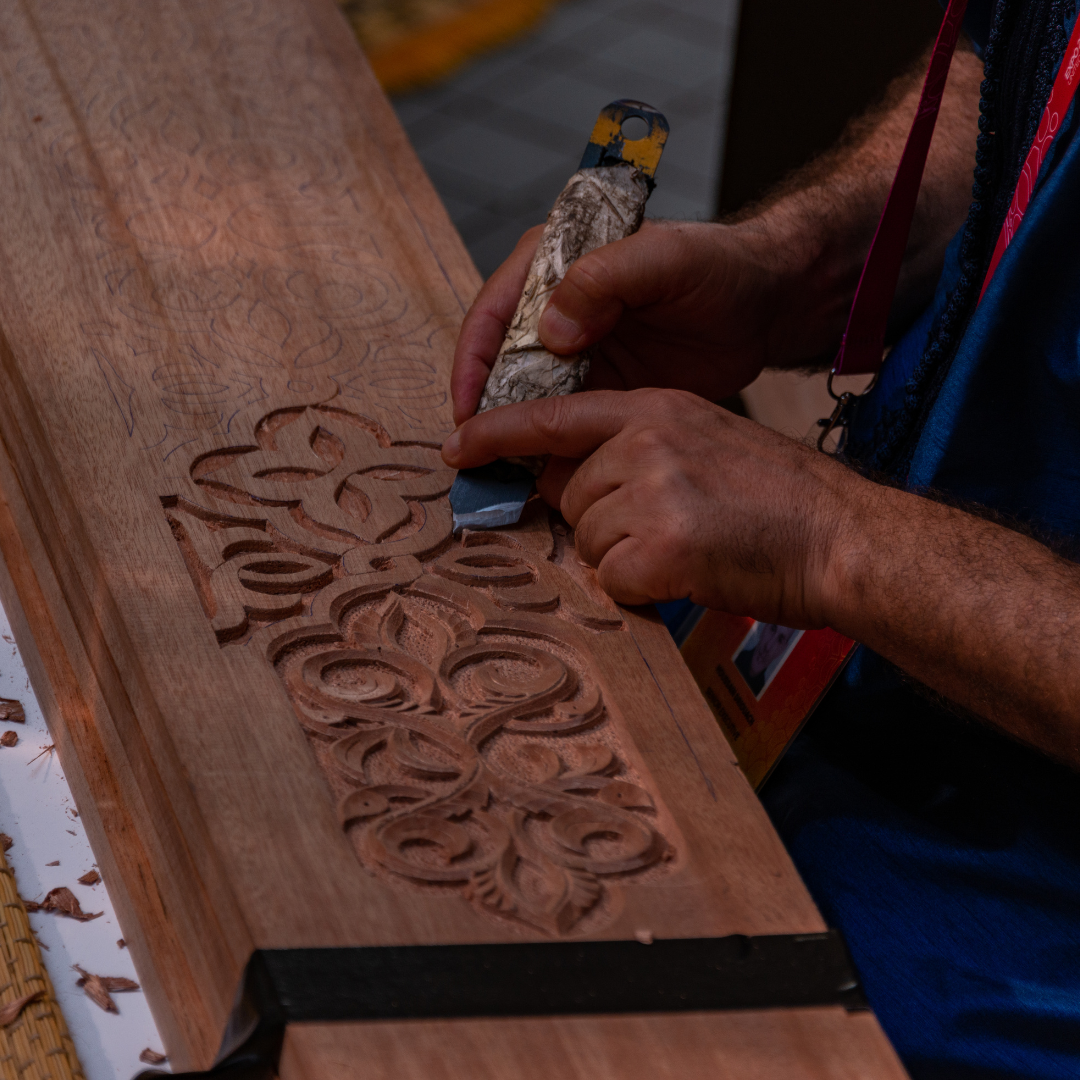
The process can involve deliberate gestures—carving a specific pattern or dyeing fabric with traditional colours—that express the artisan’s heritage or creative vision. These details transform the craft into a tangible expression of the maker’s journey and values.
Emotion Woven Into Craft
Emotions play a crucial role in the life of handmade crafts. The artisan’s feelings—whether pride, patience, or care—are woven into each stitch, curve, or brushstroke. This emotional investment creates a deeper connection between the object and its owner.
Recipients often sense this authenticity, which can evoke nostalgia, admiration, or comfort. The handmade item then becomes more than a possession; it holds memory and sentiment, making it a living story that grows richer with time.
Traditional Techniques and Cultural Heritage
Handmade crafts preserve cultural knowledge through specific methods such as weaving and embroidery. These techniques carry deep significance, linking artisans to their community’s traditions and values.
Passing Down Craftsmanship
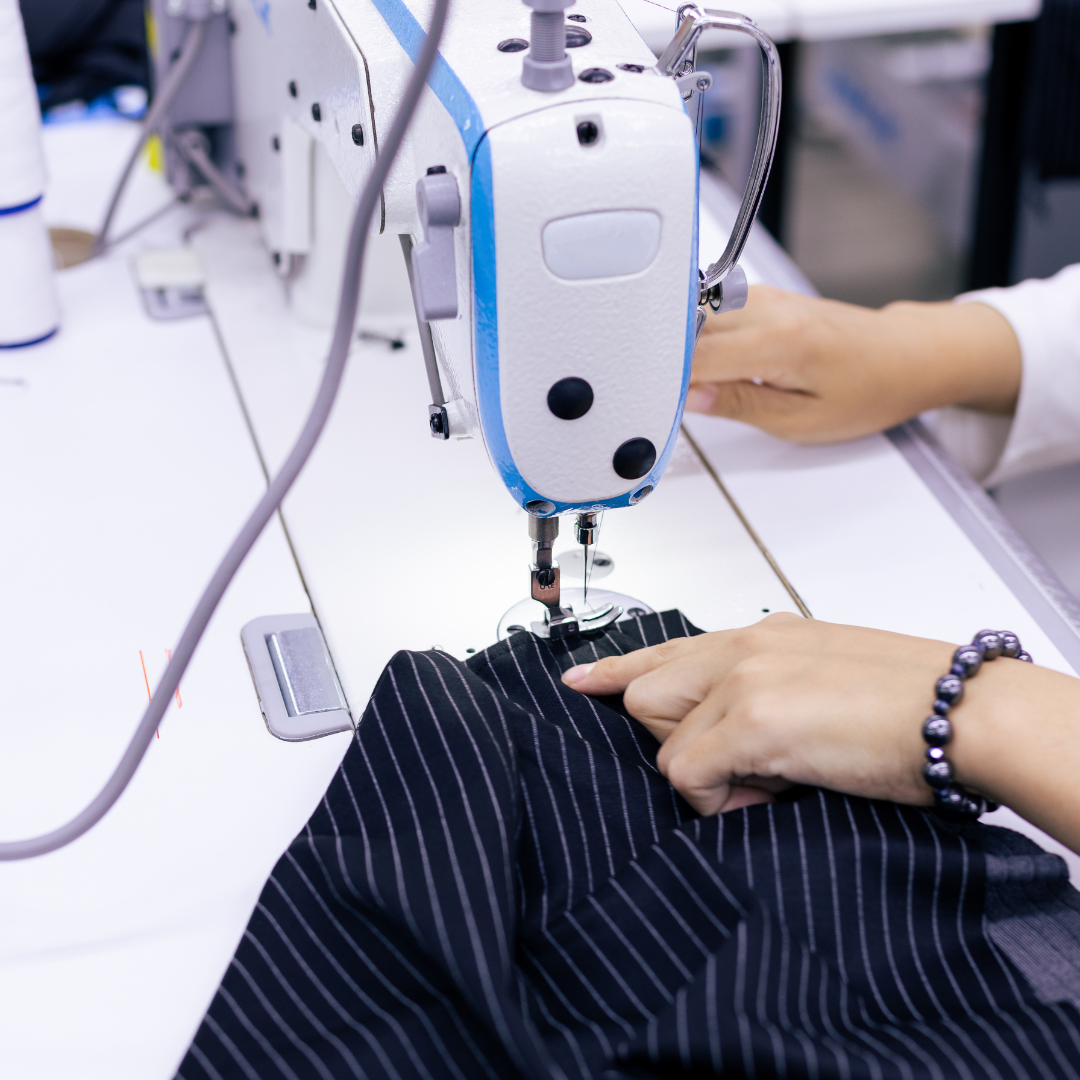
Craftsmanship is often transferred within families or communities through direct teaching and apprenticeship. Techniques like loom weaving and hand sewing are passed from older generations to younger ones, ensuring skills remain intact.
This transmission preserves not only technical know-how but also the intention behind designs and patterns. Learning the craft involves understanding the cultural context as much as mastering physical processes.
Reflecting Cultural Identity
Traditional crafts express the unique identity of cultures. The motifs and styles found in embroidery or woven textiles can signal an artisan’s ethnic group, region, or social status.
These items act as visual markers of belonging. For example, specific colour combinations or stitch types are linked to particular communities, highlighting their heritage through everyday objects.
Storytelling Through Material Choices
The selection of materials in handmade crafts often reflects environmental and cultural factors. Artisans choose fibres or dyes that connect to local resources and history.
Using natural fibres in weaving or traditional threads in sewing embodies the relationship between culture and nature. These choices add layers to the story each craft carries, linking past and present through tangible elements.
The Modern Artisan: Innovation Meets Tradition
Modern artisans combine skill passed through generations with new ideas and materials. Their work reflects respect for history while embracing environmental concerns and aesthetic evolution.
Blending Heritage with Contemporary Design
Artisans today maintain traditional techniques such as hand-weaving, carving, or pottery. They apply these methods to create pieces that appeal to current tastes, often integrating minimalist or abstract elements.
This approach allows artisans to preserve cultural stories embedded in their crafts while making them relevant for modern consumers. It also expands the market by attracting those seeking unique designs grounded in heritage.
Sustainable and Recycled Materials in Craft
Many artisans prioritise environmental responsibility by using recycled or locally sourced materials. This shift reduces waste and promotes circular economy principles, contributing directly to sustainability within craft industries.
Examples include using reclaimed wood, repurposed textiles, and natural dyes from plants. These choices not only lessen ecological footprints but also often raise the value of handmade goods due to their eco-conscious production.
Contrast with Mass Production
Unlike mass-produced items, handmade crafts feature distinct irregularities and personal touches. Modern artisans reject uniformity in favour of individual expression and quality.
Mass production focuses on efficiency, often using synthetic materials and machinery. In contrast, artisan creations highlight craftsmanship, intentionally slow production, and sustainable resource use, appealing to consumers seeking authenticity over quantity.
Impact of Handmade Crafts on Communities and the Future
Handmade crafts serve as a vital connection between generations and cultures, providing economic and social support to artisans. They promote the continuity of traditional skills while adapting to a global market, affecting communities in unique and lasting ways.
Preservation of Skills
Handmade crafts help preserve craftsmanship that might otherwise be lost with technological advancement. Artisans pass down techniques such as weaving, carving, or pottery through apprenticeships and family traditions.
This transfer protects cultural heritage, allowing communities to maintain identity and pride in their handmade items. The nuanced skills involved often cannot be replicated by machines, emphasising the unique value of handcrafted work.
Supporting Livelihoods
Handmade crafts contribute significantly to the income of many artisans, particularly in rural or underserved areas. Craftsmanship creates job opportunities outside industrial centres, often enabling women and minority groups to earn a living.
Local economies benefit as handmade items often attract tourism and specialist markets. Fair trade initiatives also help ensure artisans receive fair wages, fostering sustainable communities.
Handmade in a Globalised World
In a connected world, handmade crafts face challenges from mass production but also gain access to wider audiences through e-commerce. Artisans can now showcase cultural heritage internationally, reaching buyers interested in unique, authentic products.
At the same time, global demand pressures some to adapt or standardise their work, risking the dilution of traditional methods. Balancing innovation with respect for craftsmanship is essential for the future of handmade crafts.