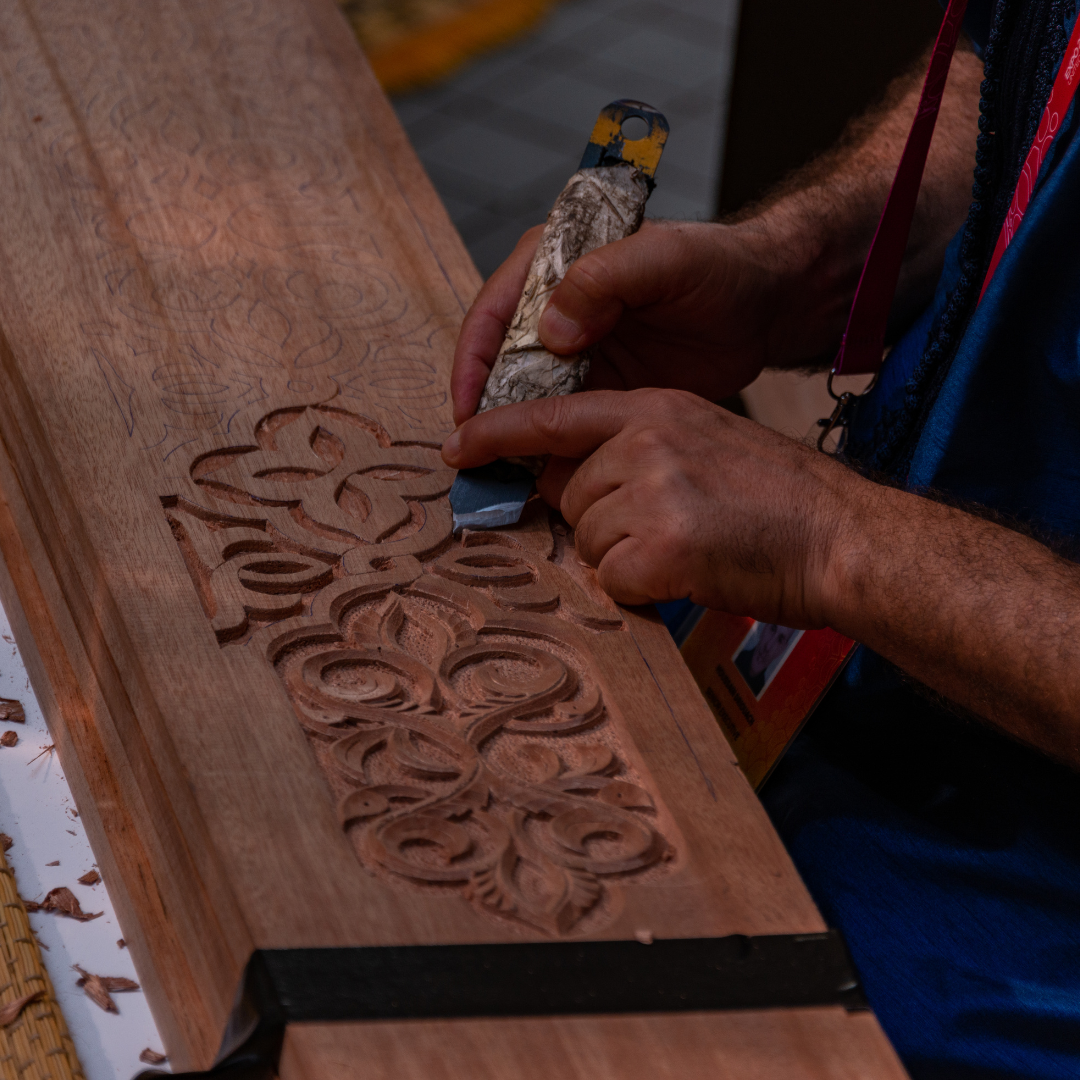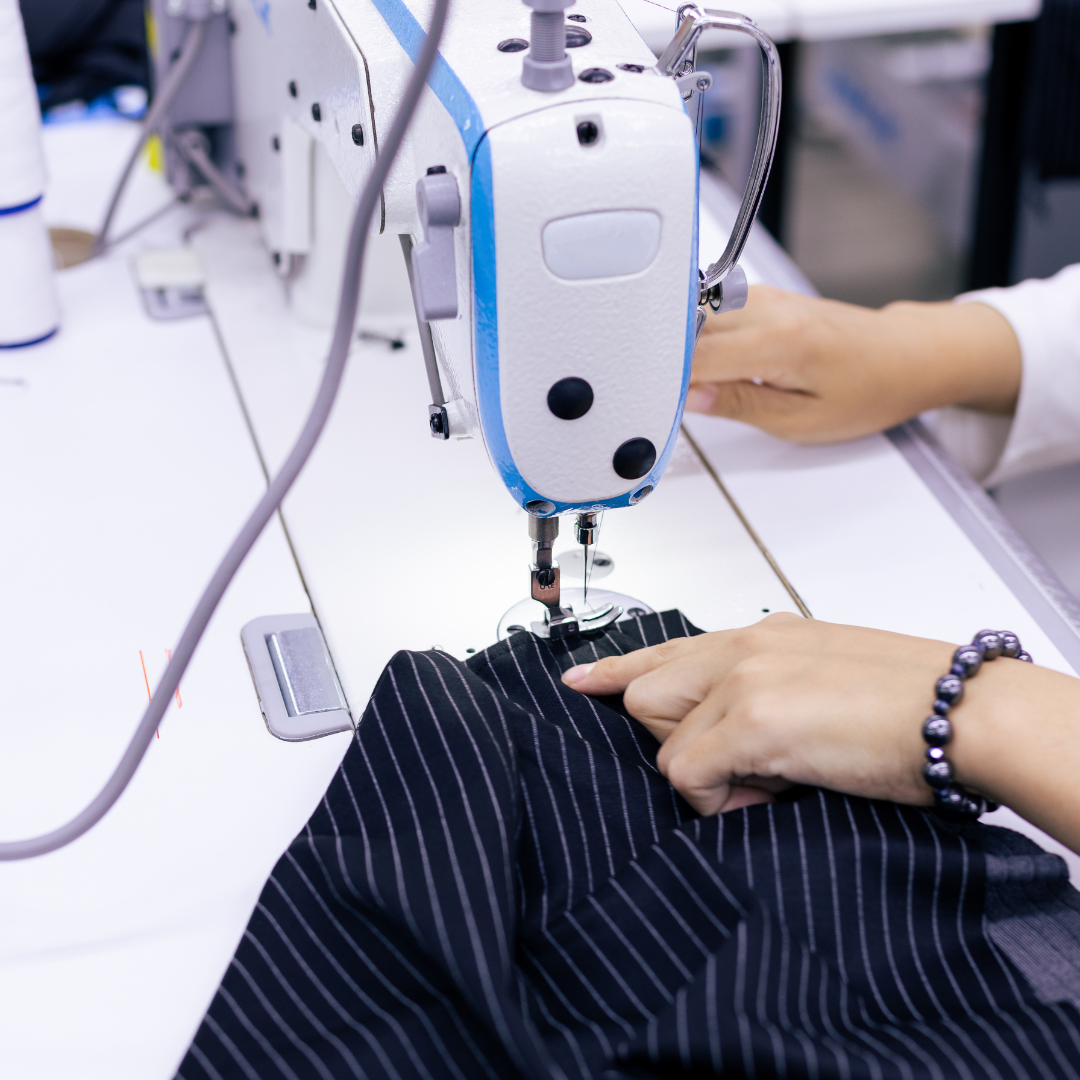
Crafting has long been recognised for its therapeutic benefits, offering a creative outlet that can significantly enhance mental health. Engaging in various forms of crafting, from knitting and painting to woodworking, is not merely a pastime; it can lead to improved well-being and increased happiness. Crafting allows individuals to express themselves, reduces stress, and contributes to higher life satisfaction.
This hands-on activity encourages mindfulness, helping people focus on the present moment while channelling their energies into creating something tangible. By fostering a sense of accomplishment and purpose, crafting not only combats feelings of anxiety and depression but also promotes social connections when shared with others.
Through the simple act of making, individuals can experience a boost in mood, heightened creativity, and a more fulfilling life. As he or she immerses in the crafting process, they often discover a pathway towards emotional resilience and contentment.
The Psychology of Crafting
Crafting serves as a unique outlet for individuals to channel their emotions and thoughts. Through creative activities, people can experience improved self-esteem, heightened self-awareness, and a sense of purpose.
Crafting as a Form of Self-Expression
Crafting allows individuals to manifest their inner thoughts and emotions, facilitating personal expression. Through various mediums, such as knitting, painting, or woodworking, people articulate feelings that may be difficult to verbalise.
This process creates a personal narrative, enabling crafters to confront anxiety and build confidence. Each piece produced serves as a visual testament to one’s experiences, reinforcing a sense of accomplishment.
Crafting often provides an escape from daily stressors, allowing individuals to immerse themselves fully in a creative flow. This immersion not only promotes relaxation but also fosters a deep connection to one’s self, enhancing overall psychological health.
The Role of Creativity in Mental Wellbeing
Creativity plays a crucial role in fostering mental well-being. Engaging in creative activities stimulates brain functions associated with joy and satisfaction. When crafting, individuals often enter a state of flow, which can significantly reduce anxiety levels.
Participating in creative tasks induces the release of dopamine, a neurotransmitter associated with pleasure. This can improve mood and overall emotional health.
Moreover, the act of creating encourages problem-solving and critical thinking, which enhances self-awareness. Awareness of one’s creative capabilities builds confidence and bolsters self-esteem, reinforcing the positive cycle of mental well-being.
Crafting and Its Impact on Psychological Health
Crafting positively affects psychological health by reducing stress and allowing for emotional regulation. The repetitive motions involved in many crafts can evoke a calming effect, decreasing anxiety and promoting relaxation.
Additionally, achieving a finished product gives individuals a sense of purpose and accomplishment, reinforcing positive self-perception.
Crafting can also foster social connections when done in groups, further supporting mental health. These interactions provide emotional support, enhancing feelings of belonging and reducing feelings of isolation.
By integrating crafting into daily life, individuals can promote resilience and bolster their psychological health in meaningful ways.
Crafting for Stress and Mood Management
Crafting serves as an effective tool for managing stress and enhancing mood. Engaging in creative activities can lead to relaxation, concentration, and a greater sense of fulfilment, positively impacting mental health and emotional well-being.
The Therapeutic Effects of Repetitive Crafts
Repetitive crafts, such as knitting or crochet, provide an opportunity for rhythmic movements that can help calm the mind. The repetitive nature of these activities can induce a meditative state, facilitating relaxation.
This process can be particularly beneficial for those experiencing high stress or anxiety levels. The focus required to complete the craft reduces distractions, allowing individuals to redirect their thoughts away from worries.
Practising these repetitive crafts can foster a sense of control and accomplishment. Completing a project enhances self-esteem, contributing to improved mood and emotional stability.
Mindfulness and Flow in Crafting Activities
Crafting encourages mindfulness by engaging individuals in the present moment. Activities such as painting or pottery demand full attention, leading to a state often referred to as “flow.”
Flow can promote a sense of timelessness and deep concentration. Participants often report losing track of time while crafting, which aids in reducing feelings of stress and anxiety.
This focused engagement not only improves relaxation but also enhances creativity. It encourages personal expression, which can be particularly therapeutic for those dealing with emotional challenges.
Crafting’s Influence on Cortisol and Dopamine
Crafting has been linked to decreased cortisol levels, the primary stress hormone. Engaging in creative activities can serve as a distraction from stressors, leading to a natural reduction in cortisol.
Alongside stress reduction, crafting can stimulate dopamine release. This neurotransmitter plays a crucial role in feelings of pleasure and reward. The satisfaction derived from completing a craft can lead to increased motivation and a more positive mood.
Regular participation in crafting activities can contribute to long-term mental health benefits. Over time, these effects can result in improved emotional resilience and better-coping mechanisms for stress.
Social and Community Aspects of Crafting
Crafting not only serves as a form of self-expression but also plays a significant role in fostering social connections and combating loneliness. Engaging in creative activities can lead to shared experiences that strengthen community ties and enhance personal well-being.
Building Social Connections Through Shared Interests
Crafting provides an opportunity for individuals to connect with others who share similar hobbies. Craft groups, workshops, and community classes encourage collaboration and socialisation.
Participants can exchange ideas, techniques, and support, fostering a sense of belonging. This interaction builds social networks that can extend beyond crafting sessions.
In group settings, people often find common ground, facilitating friendships that can lead to a more enriched social life. The act of creating together provides a platform for individuals to collaborate on projects, leading to shared goals and a sense of achievement.
The Role of Crafting in Alleviating Loneliness
Crafting also plays a vital role in reducing feelings of loneliness. For many, engaging in arts and crafts offers a productive distraction from negative thoughts.
It acts as a therapeutic outlet, allowing individuals to express themselves in a non-verbal manner. Participating in crafting activities can lead to regular social interactions, which are essential for mental health.
Communities often organise crafting events that invite participation from all demographics. Such initiatives help to include individuals who may feel isolated, thereby promoting inclusivity.
The shared experience of crafting cultivates mutual support and understanding, essential for combating loneliness and enhancing well-being.
Integrating Crafting into Daily Life
Incorporating crafting into daily routines can enhance quality of life and promote self-care. It offers opportunities for happiness, achievement, and self-discovery.
Choosing the Right Craft for Personal Needs
Selecting a craft that aligns with personal interests and skills is crucial. Whether it’s knitting, painting, or model building, the right craft can provide a fulfilling experience.
Craft kits are a great option for those starting out, as they include all the necessary supplies and instructions. This eliminates the guesswork and helps individuals focus on creativity rather than logistics.
People should consider their preferences. Do they prefer tactile activities or visual ones? Understanding these aspects can lead to more enjoyable crafting sessions.
Setting Achievable Crafting Goals
Setting clear and achievable goals helps maintain motivation. Goals can be as simple as completing a project within a week or learning a new technique each month.
A list of mini-goals can keep crafting structured and fun. For example, someone can aim to finish a knitting square or complete a painting section daily. This trackable approach fosters a sense of achievement.
Regular reflection on these goals can also aid in personal growth. Crafting becomes a way to measure progress and skill development over time.
Crafting as a Means of Self-Care and Quality Time
Crafting can serve as a valuable form of self-care. It provides a break from everyday stress and promotes mindfulness. Engaging in a craft can bring a sense of calm and focus.
Additionally, crafting can be a social activity. Inviting friends or family to join in can create quality time filled with laughter and creativity. Group crafting sessions can strengthen bonds and enhance the overall crafting experience.
Overall, integrating crafting into daily life enriches mental health and fosters personal connections. Whether for self-discovery or as a joyous pastime, the benefits are significant.