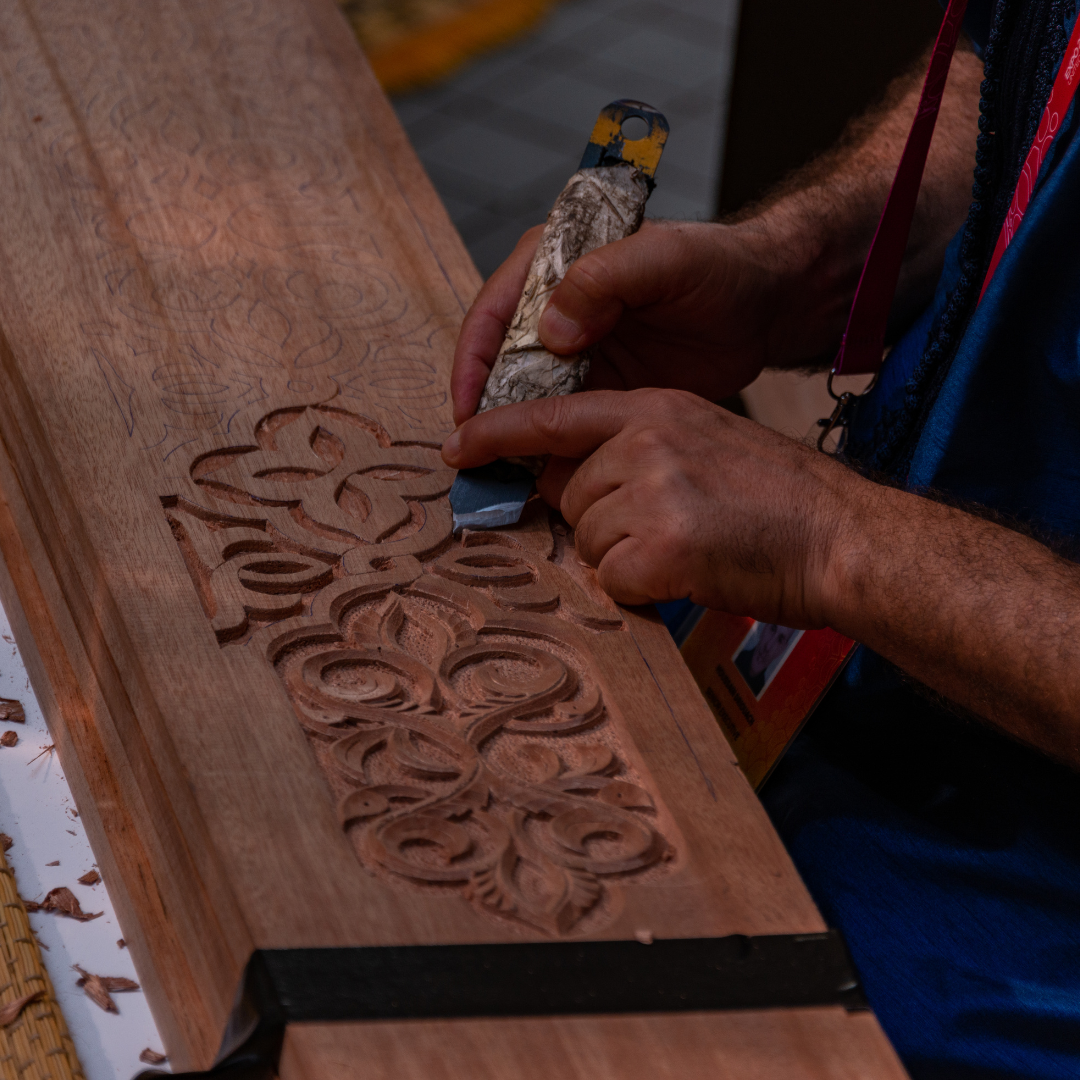
The debate between digital painting and traditional painting continues to capture the interest of artists and art enthusiasts alike. Digital painting offers unique advantages such as flexibility and ease of editing, while traditional painting provides a tactile experience and a connection to historical techniques. Each medium has its own merits and can evoke different emotions and responses from viewers.
In recent years, the art industry has seen a significant shift with the rise of digital art. This transition has created new avenues for artists to explore their creativity without the constraints often associated with traditional materials. Several contemporary artists are blending techniques from both worlds, showcasing the potential for hybrid practices that take advantage of both forms.
As the conversation around art evolves, understanding the differences and similarities between digital and traditional painting becomes essential. By examining these mediums, one can appreciate not only the skills required for each but also the diverse ways they can resonate with audiences.
The Essentials of Art Mediums
Art mediums serve as the foundation for artistic expression, influencing techniques, outcomes, and experiences. Both traditional and digital forms possess unique characteristics that contribute to their respective practices.
Understanding Traditional Painting
Traditional painting is characterised by its use of physical materials, such as oils, acrylics, watercolours, and pastels. Artists employ various techniques including layering, glazing, and mixing mediums to achieve desired effects.
Common Art Supplies:
- Paints: Oils, acrylics, watercolours
- Brushes: Various shapes and sizes
- Canvas or Paper: Different textures for diverse effects
The advantages of traditional art include a tangible connection to the work and the uniqueness of original artwork. Artists often appreciate the texture and depth that physical materials provide. However, drawbacks include the time required for techniques to dry and the expense of quality supplies.
Exploring Digital Painting
Digital painting encompasses artwork created using technology, often with graphic tablets and software such as Adobe Photoshop or Corel Painter. The medium allows for endless experimentation with colour palettes and brush settings.
Key Aspects of Digital Art:
- Tools: Graphic tablets, styluses, and software
- Techniques: Layers, blending modes, and filters
The pros of digital art include the ease of making corrections, customisable tools, and the ability to create multiple versions without material waste. Nonetheless, some artists may miss the physicality of traditional methods. Currently, digital art is also intertwined with trends like crypto art and NFTs, expanding its market.
Comparative Analysis of Digital and Traditional Painting
Digital painting and traditional painting present distinct advantages and disadvantages that impact artists’ choices. Exploring these aspects reveals the unique qualities of each medium and how they affect creative expression.
Advantages and Disadvantages
Digital Painting:
- Advantages: Offers flexibility in altering designs easily, enabling quick corrections and adjustments. Artists benefit from a variety of digital tools that facilitate experimentation without the fear of wasting materials. Easy sharing on platforms enhances visibility and reach within the art industry.
- Disadvantages: The initial learning curve can be steep for those unfamiliar with technology. Some artists feel a lack of tangible connection to their work, as digital art can sometimes seem less personal.
Traditional Painting:
- Advantages: Provides a sensory experience through physical materials, fostering a deeper emotional connection to the artwork. The tactile nature of brushes and canvases can enhance the creative process for many artists.
- Disadvantages: Traditional methods can be time-consuming, often requiring significant preparation and waiting for materials to dry. Corrections can be cumbersome, and the permanence of mistakes may deter some artists from taking risks.
Creative Expression and Impact on Artists
Digital painting enables artists to explore a wide range of styles and techniques with less commitment to specific resources. The ability to easily manipulate elements encourages innovation and rapid iteration. Additionally, artists can utilise various effects and textures that may be difficult to achieve traditionally.
In contrast, traditional painting often requires a more contemplative approach. The finite nature of physical materials can lead to a more deliberate and thoughtful creative process. Artists may find a sense of fulfilment and authenticity in the tangible aspects of their work, influencing their personal artistic development and expression. Each medium can shape an artist’s workflow and inspiration distinctively.
The Role of Technology in Artistic Evolution
Technology has reshaped the landscape of artistic creation, particularly through digital platforms. Innovations in digital art tools and techniques have expanded the possibilities for artists, allowing for new forms of expression and easier dissemination of their work.
The Intersection of Art and Digital Innovation
The realm of digital art has emerged at the intersection of traditional practices and technological developments. Digital tools, such as graphic tablets, enable artists to paint directly onto a computer screen, mimicking traditional techniques while offering unique capabilities.
Software applications provide extensive features for layering, undoing, and manipulating images, making the artistic process more flexible. Artists can experiment with styles quickly, a significant shift from the time-consuming nature of physical mediums.
Photography has also influenced digital painting, with techniques like photobashing allowing artists to incorporate photographic elements into their work seamlessly. This fusion enhances creativity, highlighting the mutual relationship between technology and art.
Embracing New Tools for Art Creation
Many contemporary artists embrace digital tools, recognising their potential to enhance creativity and productivity. The learning curve associated with digital art software can be steep, but resources like online tutorials make the transition easier.
Digital illustration and graphic design are now integral to many artistic workflows, contributing to diverse fields including advertising and entertainment.
Furthermore, the rise of crypto art and NFTs represents a groundbreaking change in how art is valued and sold. Artists can share their work easily across platforms, reaching wider audiences and building communities. This accessibility contrasts sharply with traditional art, often limited by geographical constraints.
Digital painting, empowered by technology, continues to evolve, offering artists new ways to express their visions.