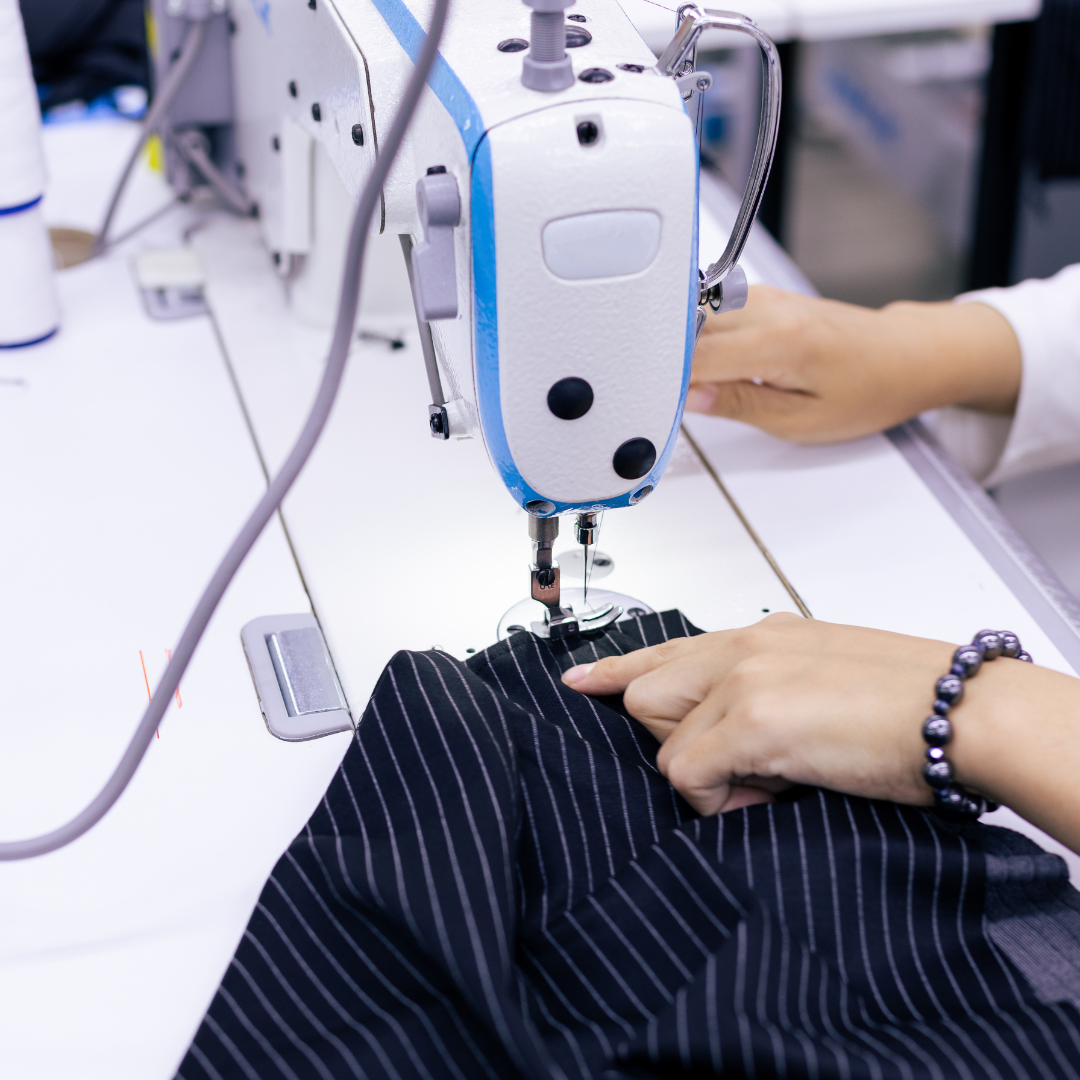
Sewing enthusiasts understand the importance of choosing the right machine for their projects. The top sewing machines combine versatility, reliability, and user-friendly features that cater to both beginners and seasoned sewers. With numerous options available on the market, it can be challenging to identify which machines truly stand out.
This article will explore some of the best sewing machines currently available, highlighting their key features and what makes them a worthy investment. From comprehensive functionality to durability, these machines are designed to enhance the sewing experience and inspire creativity. Whether it’s for basic repairs or intricate designs, the right machine can make all the difference.
Choosing the Best Sewing Machine
Selecting the right sewing machine involves recognising essential features and understanding the different types available. It’s important to consider the user’s skill level to find the best fit for their needs.
Essential Features to Consider
When choosing a sewing machine, certain features stand out. Stitch options are critical; machines should ideally offer multiple built-in stitches for versatility. Common options include straight, zigzag, and decorative stitches.
An automatic needle threader can save time and reduce frustration. A speed control mechanism is beneficial for beginners who may need more control while sewing.r
For those who prioritise ease of use, a computerised sewing machine often provides intuitive interfaces and a wider range of features. Conversely, a mechanical sewing machine can be simpler but may lack some advanced capabilities.
Best Sewing Machines for Beginners
For novice sewers, choosing a user-friendly model can make a significant difference. The best first sewing machine should combine simplicity with essential features.
Top options often include machines with built-in stitches that cover basic sewing needs. A lightweight design enhances portability, allowing easier transportation to classes or workshops.
Among recommended models, a mechanical sewing machine like the Brother HL-2100 or a computerised machine such as the Singer 4423 offers reliability and ease of use. These models typically include an automatic needle threader and clear instructions, making them ideal for beginners.
Top Picks for Experienced Sewers
Experienced sewers often seek machines that offer advanced features and higher performance. They usually require heavy-duty sewing machines that can handle various fabrics with ease.
Popular choices for seasoned crafters include the Janome HD3000 and the Bernina 570 QE. These machines provide extensive stitch options and high speed, making them ideal for large projects.
Computerised sewing machines in this category often feature touchscreen controls, allowing for quick adjustments and settings. A quality machine for this level should also have excellent build quality to endure regular use, offering longevity and reliability.
Enhancing Sewing and Quilting
Sewing and quilting can be significantly improved with the right machines and accessories. Advanced technology, functional features, and a variety of decorative options contribute to a more enjoyable and efficient experience for both hobbyists and professionals.
Advanced Quilting Machines
Advanced quilting machines enable precise and intricate designs. These machines often come with features such as large throat space, which accommodates bigger projects and allows for easier manoeuvring of fabric.
Many models include multiple quilting stitches, including decorative and utility stitches, that elevate the overall design of quilts. Key options like automatic thread cutting and built-in embroidery designs save time and enhance creativity.
Some machines provide the capability for free-motion quilting, allowing users to move the fabric freely for custom stitch patterns. Even the beginner quilter can produce refined work with the right guidance and equipment.
Sewing Projects and Accessories
The right accessories can transform any sewing project. Items such as walking feet and quilting feet are essential for evenly distributing fabric layers, especially in quilting projects.
Rotary cutters, cutting mats, and various rulers facilitate precise cutting, which is critical for successful quilting. Investing in high-quality threads and fabrics also ensures durability and a professional finish.
For those who like to personalise projects, appliqué scissors and speciality presser feet can be invaluable. The integration of these tools and accessories makes complex techniques more accessible while enhancing the final product’s appearance.
Sewing Machines for Embroidery
Embroidery machines have advanced to include numerous functionalities that allow for limitless creativity. Many modern models offer built-in embroidery designs and the ability to import custom designs via USB.
These machines often feature hooping systems to keep the fabric taut, which prevents misalignment during stitching. Users can select decorative stitches and adjust stitch placement for personalised embroidery that stands out.
In addition, some sewing and quilting machines now combine both sewing and embroidery functions, making them versatile tools for a range of projects. The convenience of switching between functions in one machine saves time and space in a sewing area.
Understanding Machine Types and Features
Different sewing machines cater to various needs and skill levels. Recognising the distinctions between machine types and their essential features is crucial for making an informed decision.
Comparison: Computerised vs Mechanical Machines
Computerised sewing machines offer advanced features that appeal to both beginners and experienced users. They often include a variety of built-in stitch types, such as straight and zigzag stitches, and can utilise functions like a buttonhole function for easy garment construction. The user interface may be digital, allowing for straightforward navigation through settings.
In contrast, mechanical sewing machines operate with a more traditional approach. They require manual adjustments for stitch length and width. These machines are generally more durable and less expensive, making them suitable for basic sewing tasks. While they may have fewer stitches available, they excel in simplicity and reliability, particularly for straightforward projects.
Understanding Stitches and Functions
When selecting a sewing machine, it’s essential to grasp the available stitch types. The straight stitch is a fundamental option, used for most seams and hems. The zigzag stitch adds versatility, allowing for stretches and decorative seams.
Many machines also feature a buttonhole stitch, simplifying the process of adding buttonholes to garments. This function can automatically adjust to various button sizes, ensuring a professional finish. Understanding these stitches is vital for choosing a machine tailored to specific projects and skill levels.
Brands and Making the Right Choice
Selecting the right sewing machine can significantly impact the quality of sewing projects. Different brands offer unique features suited for various sewing needs, making it essential to understand available options.
Popular Sewing Machine Brands
Several reputable brands dominate the sewing machine market, known for their reliability and innovative features. Brother offers a wide range of models like the Brother XR9550 and Brother CS7000X, both ideal for beginners and experienced sewers. Singer also stands out with models like the Singer Heavy Duty 4423, which is robust and efficient, and the Singer Start 1304, perfect for novices.
Janome is well-regarded for its user-friendly machines, while Juki’s TL-2000Qi is praised for its advanced quilting capabilities. Baby Lock provides high-quality machines like the Baby Lock Zest, designed for versatile sewing projects. Pfaff and John Lewis offer additional options that cater to different sewing preferences and skill levels.
Sewing Machine Selection for Various Fabrics
Choosing the right sewing machine often depends on the intended fabric types. Lightweight fabrics, such as cotton and linen, are manageable with most machines, including popular models from Brother and Singer.
For heavy-duty fabrics like denim or leather, machines such as the Singer Heavy Duty 4423 provide the extra power needed. Juki’s TL-2000Qi is also beneficial for quilting, delivering precision and strength for thicker layers.
When working with stretch or knit fabrics, a sewing machine with adjustable stitch settings is crucial. Many models from brands like Janome and Baby Lock excel in handling these textiles. Researching specific features such as stitch types, needle options, and additional accessories can help in making an informed decision.