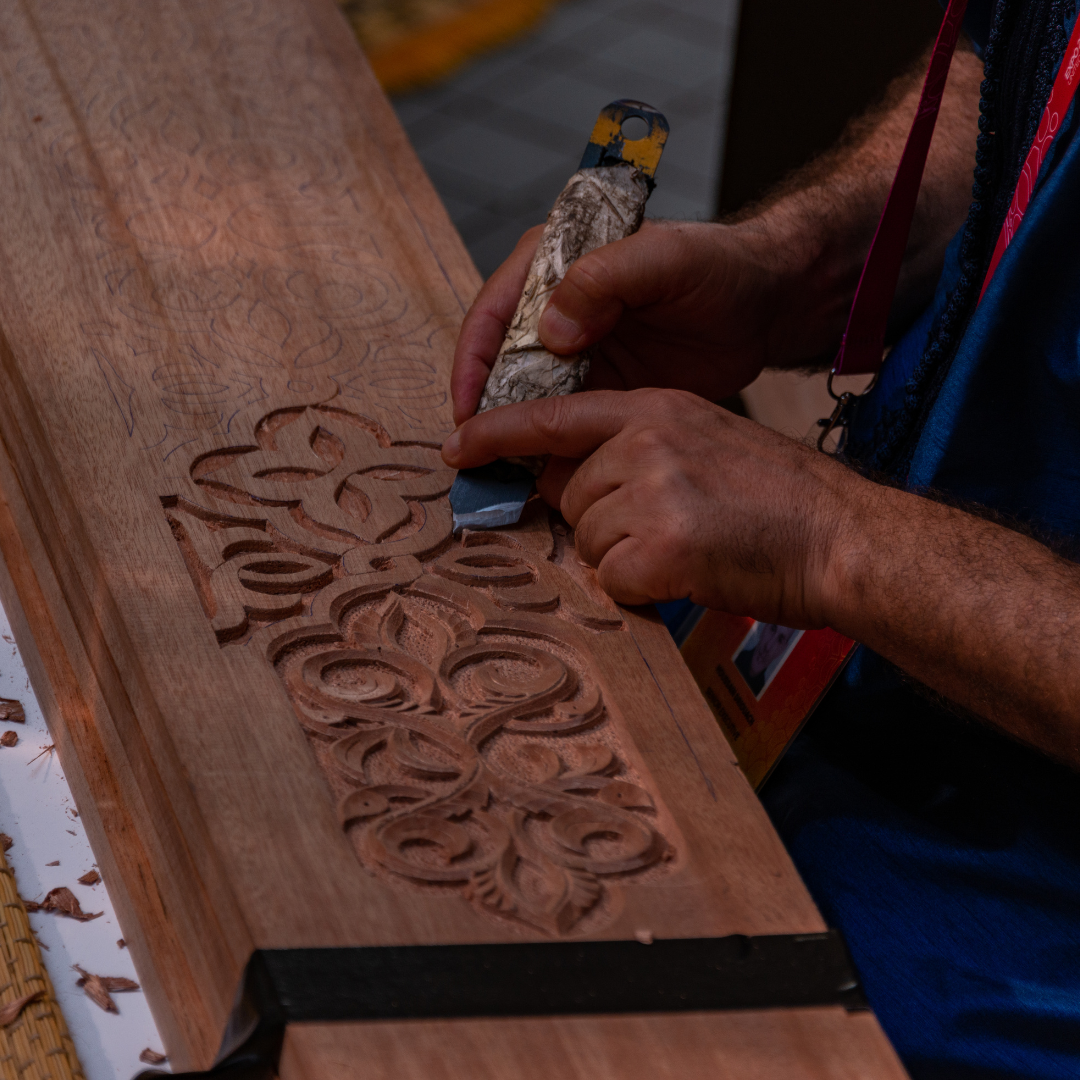
Wood carving is a rewarding craft that enables individuals to transform raw wood into stunning pieces of art. For beginners, understanding the essential tools and techniques is crucial for making the process enjoyable and successful. Exploring the right tips and tools can significantly enhance the learning curve, ensuring a smoother journey into the world of wood carving.
Choosing the appropriate tools is vital for any wood carving project. Basic tools like knives, chisels, and gouges serve as the foundation for creating intricate designs. With the right equipment in hand, beginners can focus on mastering essential techniques, allowing their creativity to flourish as they gain confidence in their skills.
Learning wood carving can be an immersive experience, filled with exploration and discovery. By embracing practice and patience, anyone can develop their abilities and create beautiful, tactile objects. With the right guidance, even novice carvers can quickly progress towards achieving impressive results.
Choosing the Right Wood
Selecting the appropriate wood is crucial for successful carving. Both softwoods and hardwoods offer distinct benefits, and some types are more suitable for beginners than others.
Softwoods VS Hardwoods
Softwoods, such as pine and basswood, are generally easier to carve and perfect for beginners. They tend to be lighter and require less force, allowing for detailed work with minimal effort.
On the other hand, hardwoods like butternut offer durability and a finer grain, making them ideal for intricate designs but may pose challenges for novice carvers. Hardwoods can also be more difficult to source and may require sharper tools to achieve satisfactory results. Each type has its merits, making the choice dependent on the desired outcome and skill level.
Best Woods for Beginners
For those new to wood carving, basswood is often recommended. It is soft, easy to carve, and has a fine, uniform grain. This wood allows for precise detailing and is forgiving of mistakes.
Pine is another good option due to its availability and affordability. While it is slightly harder than basswood, it still provides a manageable carving experience.
Avoid woods with knots or irregular grain patterns, as these can complicate the carving process. Choosing the right wood plays a significant role in the quality of the final piece and the enjoyment of the carving process.
Fundamental Tools and Materials
Understanding the essential tools and materials for wood carving is crucial for achieving successful results. This section details the primary tools that every carver should consider, as well as maintenance practices for optimising performance.
Carving Knives and Gouges
Carving knives are fundamental in wood carving, offering precision and control. They typically feature a sharp, pointed blade that allows for intricate cuts. Types of carving knives include:
- Straight knives for outlining shapes
- Curved knives for detailed work
Gouges complement carving knives by removing larger amounts of wood with their curved blades. They come in various sizes and sweeps, enabling different styles and depths of cuts. Common gauges include:
- V-gouges for fine details
- U-gouges for broader cuts
Selecting quality materials, such as high-carbon steel or stainless steel, ensures durability and sharpness. Regularly honing and sharpening these tools is essential to maintain their effectiveness.
Specialised Whittling Tools
Whittling tools offer versatility for various carving techniques. Among these are the hook knife, designed for hollowing out objects, and chip carving knives, ideal for decorative patterns. Each tool serves a specific purpose, allowing the carver to explore different styles.
For larger projects, consider using a bench chisel. It can handle substantial material removal. The proper grip and angle while using these tools enhance the carving experience. Essential safety tips include using a carving glove and maintaining proper posture to avoid strain.
Sharpening and Maintenance
Proper maintenance of carving tools extends their lifespan and performance. Regularly sharpening knives and gouges prevents dull blades that can ruin projects. Several methods exist, including using a whetstone, honing rod, or electric sharpener.
Cleaning tools after each use is crucial. Wood residues can lead to corrosion. A simple wipe with a cloth and occasional oiling with mineral oil will keep them in good condition.
Lastly, storing tools in a protective case will prevent damage and keep them organised. By following these maintenance practices, a carver can ensure their tools remain effective for many projects to come.
Carving Techniques and Projects
Wood carving encompasses various techniques, each suited for different projects and artistic expressions. This section explores essential carving methods including whittling, chip carving, relief carving, and more.
Whittling and Chip Carving
Whittling is a fundamental technique that involves removing thin shavings from wood to create simple shapes. Tools typically used include a carving knife, which allows for precision and control. Beginners often start with softwoods like pine or basswood, as they are easier to carve.
Chip carving is an intricate technique, where small chips are removed from the surface to form patterns. This method uses a gouge or a specific chip carving knife. Patterns often include geometric designs or floral motifs. It’s suitable for experienced carvers who wish to create detailed decorations on items like boxes or furniture.
Relief and Round Carving
Relief carving involves creating three-dimensional images by carving into the surface of a wooden panel. This method ranges from low relief to high relief, depending on the depth. It’s often used to depict scenes or figures. Tools like chisels and gouges are essential for shaping and detailing.
Round carving, or carving in the round, creates fully three-dimensional objects. Spoon carving is a popular example of this technique. Carvers shape the wood from all angles, resulting in functional pieces or decorative art. This method allows for creative expressions and detailed designs, often requiring a variety of gouges and knives.
Advanced Techniques
Advanced techniques encompass various methods like detailed relief carving and sculptural techniques. Carvers like Alexander Grabovetskiy have popularised innovations within this field. This includes combining multiple materials or applying finishes to enhance the wood’s natural beauty.
Techniques such as stacking, which involves layering different wood types, can create depth and texture. Knowledge of carving methods and proper tool use becomes essential at this level, allowing for intricate designs and more complex projects. Whether creating lifelike figures or elaborate bas-reliefs, advanced techniques enable artists to push the boundaries of wood carving.
Safety and Best Practices
Wood carving can be an enjoyable and rewarding hobby, but it comes with its own set of hazards. Ensuring safety and adhering to best practices is essential for both beginners and experienced carvers.
Carving Safely
Using appropriate safety gear protects against accidents. It is crucial to wear a cut-resistant glove on the non-dominant hand and safety goggles to shield the eyes from wood chips. Additionally, maintaining a clean workspace reduces trip hazards and creates a safer environment.
Proper grip and stance are vital. The carver should anchor their dominant hand with the tool while stabilising the wood with the non-dominant hand. This reduces the likelihood of slips. Always cut away from the body and keep hands clear of the blade to prevent injuries.
Regularly inspect and maintain tools. Dull blades require more force, increasing the chance of accidents. Keeping tools sharp allows for precise control, making carving safer for everyone.
Avoiding Common Mistakes
Many novice carvers face preventable errors that hinder progress. One frequent mistake is using faulty or inappropriate tools. Beginners should invest in quality carving knives specifically designed for wood. Using the wrong tools not only slows progress but also increases the risk of injury.
Improper technique is another pitfall. Beginners might apply excessive pressure, leading to loss of control. Light, steady strokes are more effective and safer.
Neglecting to plan projects can also result in mistakes. It is advisable to sketch designs and identify potential hazards before starting. This organised approach leads to better outcomes and reduces the chance of accidents during the carving process.
By implementing these safety measures and optimising techniques, wood carving can be both enjoyable and safe.